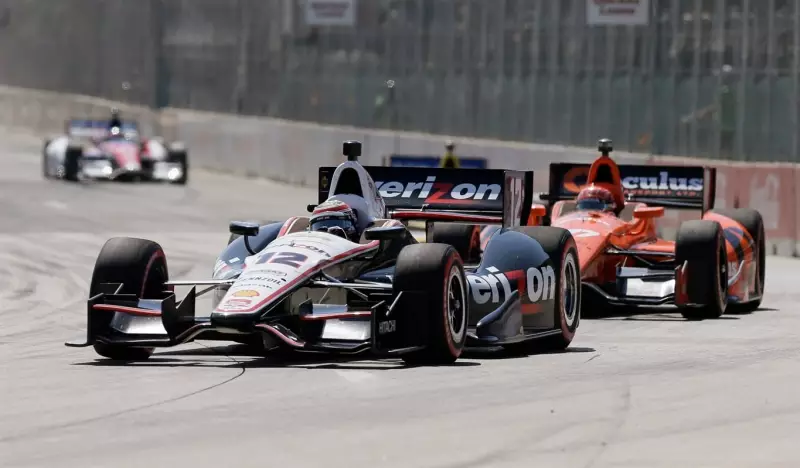
In a landmark moment for the world of motorsports, the Detroit Grand Prix has been officially recognized as the first racing event to achieve the coveted 'Evergreen certification'. This prestigious designation, announced on January 19, 2026, marks a significant step forward in the industry's commitment to environmental stewardship and sustainable event management.
A New Green Standard for Racing
The Evergreen certification is a rigorous benchmark for sustainability, evaluating events on a wide range of environmental and social criteria. For the Detroit Grand Prix to earn this title signifies a comprehensive, multi-year effort to integrate green practices into every facet of its operations. This achievement positions the event not just as a competition of speed, but as a leader in responsible sporting.
While the specific details of the certification process were not fully disclosed in the initial announcement, such programs typically assess waste diversion, carbon emissions reduction, renewable energy use, water conservation, and community engagement. The certification confirms that the Grand Prix's organizers have successfully implemented a verifiable and impactful sustainability plan that meets stringent third-party standards.

The Significance for Motorsports and Beyond
This pioneering move by the Detroit Grand Prix sets a powerful precedent for other major sporting events, particularly within the high-octane world of motorsports. It demonstrates that large-scale, logistically complex events can successfully prioritize the planet without compromising on spectator experience or competitive integrity.
The certification is likely to influence event planning across North America and globally, showcasing a viable model for sustainable event management. It also aligns with growing consumer and corporate expectations for environmental responsibility, potentially attracting new partners and audiences who value green initiatives.
Looking to the Future
By being the first to cross this finish line, the Detroit Grand Prix has effectively raised the bar. Its Evergreen status will now serve as a benchmark, challenging other races in IndyCar, Formula 1, NASCAR, and beyond to examine and improve their own environmental footprints. This could accelerate innovation in areas like biofuels for race cars, zero-waste paddocks, and sustainable spectator transportation.
The achievement underscores a broader shift in how major public gatherings are conceived and executed. It moves sustainability from a peripheral concern to a central pillar of event strategy, proving that green racing is not an oxymoron but an attainable and necessary goal for the future of the sport.