Formula 1 Postpones Decision on Middle East Grands Prix Amid Regional Conflict
The global motorsport series Formula 1 has opted to delay a crucial decision concerning two of its scheduled races in the Middle East this April. The postponement comes as the ongoing war in Iran continues to create substantial security and logistical complications for international sporting events in the region.
Security Concerns Prompt Cautious Approach
With the conflict showing no immediate signs of resolution, F1 officials are exercising extreme caution. The series is renowned for its stringent safety protocols, and the current geopolitical instability presents unprecedented challenges for organizing large-scale events that involve the transportation of teams, equipment, and personnel across international borders.
The specific races in question have not been officially named in the announcement, but the April calendar typically includes events in the Gulf region. This delay underscores the series' commitment to prioritizing the safety of all participants, including drivers, team members, and spectators.

Leadership Navigates Unprecedented Circumstances
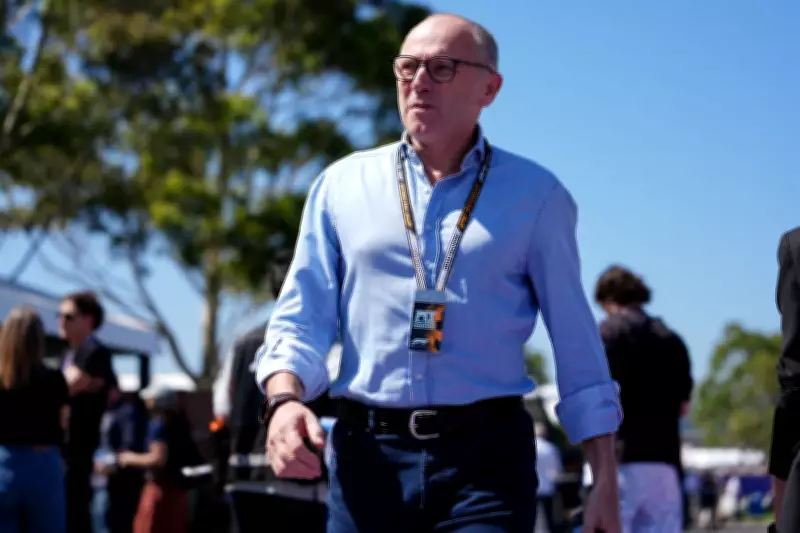
Stefano Domenicali, the CEO of Formula 1, is at the helm of these complex deliberations. Domenicali, seen recently at the Australian Grand Prix in Melbourne, faces the difficult task of balancing the commercial and sporting calendar with the unpredictable realities of international conflict.
"The situation requires careful monitoring and a flexible approach," sources close to the decision-making process indicate. The organization is likely consulting with security experts, local promoters, and government authorities in the host nations to assess the viability of proceeding with the events as planned.
Broader Impact on the Sporting World
This development is part of a wider pattern of international sports being affected by the Iran war. Other events, including the Milan-Cortina Winter Paralympics, have also been conducted under the shadow of the conflict, with the Russian flag's controversial return highlighting the complex intersection of sports and global politics.
The potential cancellation or relocation of the F1 races would have significant economic repercussions for the host countries, which invest heavily in these events to boost tourism and global prestige. Furthermore, it would disrupt the tightly packed F1 calendar, potentially affecting team strategies and the championship standings.
As the April race dates approach, the motorsport community and fans worldwide await a final decision. Formula 1's handling of this situation will be a critical test of its crisis management capabilities and its ability to adapt its global spectacle to an increasingly volatile world stage.