Paralympic Committee Faces Intense Backlash Over Russian and Belarusian Athlete Inclusion
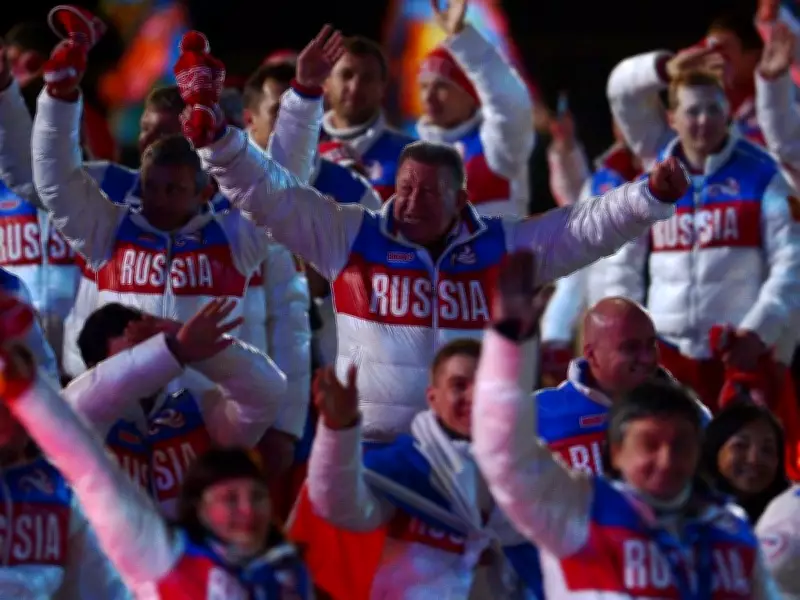
The International Paralympic Committee finds itself embroiled in a significant controversy just weeks before the Milano-Cortina Paralympics, following its decision to permit Russian and Belarusian athletes to compete under their national flags. This marks the first time Russian flags will appear at the Paralympics since the 2014 Sochi Games, sparking widespread condemnation from Ukrainian officials and European leaders.
Ukrainian Leadership Condemns "Dirty" Decision
Ukrainian President Volodymyr Zelenskyy learned of the IPC's decision during an interview with Piers Morgan, where he described the move as "dirty, not respectful, not European from the point of values, not just." The president vowed that Ukraine would react to what he characterized as an unacceptable development in international sports.
Ukrainian Sports Minister Matvii Bidnyi joined the criticism, calling the decision "disappointing and outrageous" and stating that flags representing "killers and their accomplices" have no place at international sporting events that should uphold fairness, integrity, and respect. Bidnyi further emphasized that Paralympic sport in Russia has become a pillar for those injured in the conflict with Ukraine.

Details of the Controversial Invitations
The IPC announced on Tuesday that it had granted special "bipartite" invitations to ten athletes:
- Six Russian athletes across three disciplines: para alpine skiing, para cross-country skiing, and para snowboard
- Four Belarusian athletes in para cross-country skiing
These invitations represent a discretionary exception allowing athletes to compete despite not qualifying through normal channels due to international sanctions. Should any of these athletes win gold medals, they will hear their national anthems played during medal ceremonies.
Historical Context and International Response
The decision comes more than four years into Russia's invasion of Ukraine, with Belarus serving as a key ally in the conflict. The IPC operates independently from the International Olympic Committee, which has maintained different policies regarding Russian and Belarusian participation in current Olympic events.
European leaders have joined Ukrainian officials in condemning the move, creating a significant diplomatic challenge for the IPC just two weeks before the Paralympic Games commence on March 6 in Italy. The controversy raises fundamental questions about the role of international sports organizations in responding to geopolitical conflicts and whether athletic competition should remain separate from political considerations.
As the Milano-Cortina Paralympics approach, the IPC faces mounting pressure to reconsider its position while balancing its mission to promote Paralympic sports worldwide against the ethical implications of allowing athletes from nations engaged in active conflict to compete under their national symbols.