Russian athletes are preparing for a starkly isolated experience at the upcoming 2026 Winter Olympics in Milan-Cortina. Competing under a strict neutral banner, they will be denied the symbolic representation of their nation, including their flag, anthem, and the traditional participation in the opening ceremony's athlete parade.
The Reality of Neutral Competition
The conditions set for Russian participation mean that any medals won will not contribute to the official Russian tally, and the country's symbols will be absent from the games. This decision, upheld by the International Olympic Committee (IOC), extends the ongoing restrictions that have shaped Russian presence in international sports since the invasion of Ukraine.
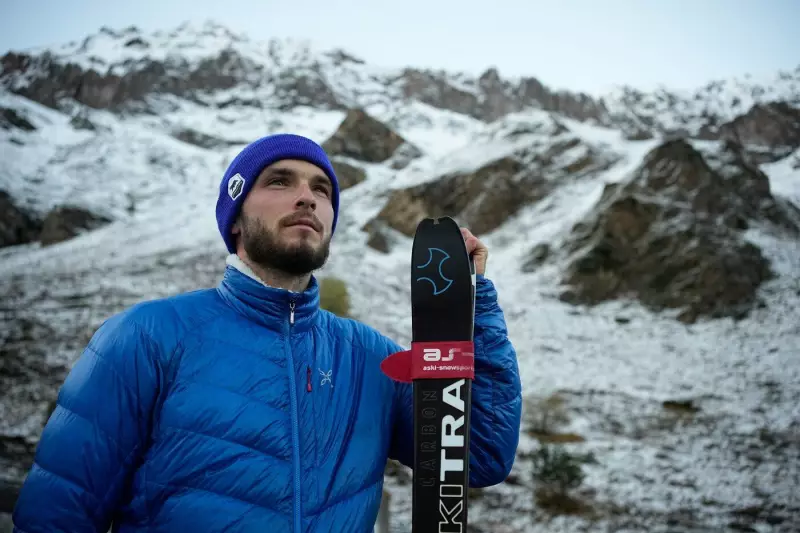
Among those navigating this challenging landscape is Russian ski mountaineer Nikita Filippov. In an interview with The Associated Press conducted on Wednesday, October 29, 2025, at the foothills of Mount Elbrus in Terskol village, Filippov represented the personal dimension of these geopolitical sanctions. His training continues, but the prospect of competing without national recognition looms large.

An Athlete's Perspective from the Elbrus Foothills
The interview with Filippov, captured in imagery by AP photographer Pavel Bednyakov, underscores the human element behind the headlines. Athletes who have dedicated years to their craft now face the paradox of reaching the Olympic stage only to be stripped of the national identity that has traditionally been a core part of the experience.
This isolation extends beyond symbolism. The neutral status often comes with additional logistical and psychological hurdles, from stricter vetting processes to a lack of team cohesion and support typically provided by a national Olympic committee.
Broader Context and Lasting Implications
The 2026 Games will mark another chapter in the complex relationship between international sports and global politics. The measures are intended to pressure the Russian government while allowing individual athletes, who have not publicly supported the war, a pathway to compete. However, the effectiveness and fairness of this approach remain hotly debated within the sporting world.
For the athletes themselves, the focus is inevitably split. While training to peak at the right moment, they must also reconcile with the fact that their Olympic moment, should they succeed, will be muted and unrecognizable compared to their dreams and those of their predecessors.
The scene in the Kabardino-Balkarian Republic, with Filippov against the backdrop of Russia's highest peak, serves as a powerful metaphor for the summit these athletes still strive to reach, even if they must do so in silence and under a blank banner.