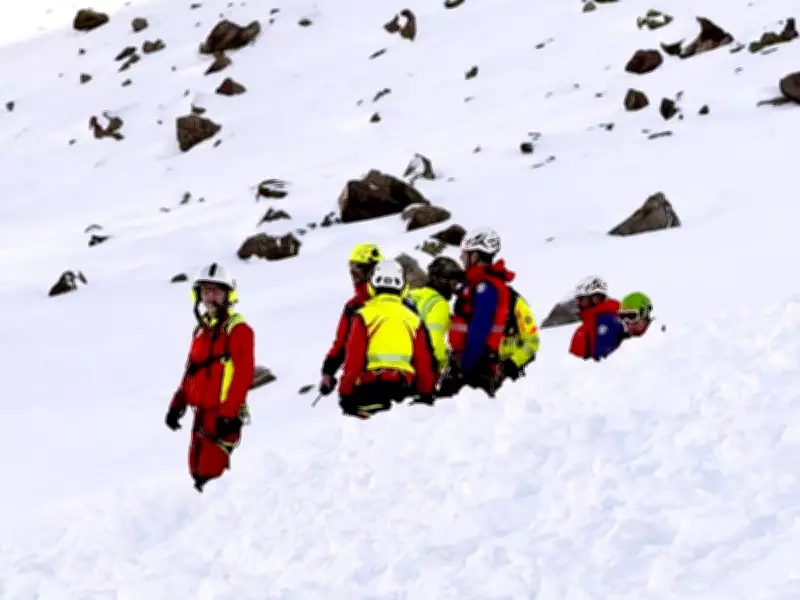
Avalanches Near 2026 Winter Olympics Sites Claim Lives of Three Skiers in Italy
The Northern Italian region surrounding the venues for the 2026 Milano-Cortina Winter Olympics was struck by tragedy over the weekend as two separate avalanches resulted in the deaths of at least three skiers. The incidents occurred in the mountainous areas of Trentino Alto Adige and Lombardy, casting a somber shadow over the upcoming international sporting event.
Details of the Tragic Incidents
According to reports from Reuters, the avalanches took place on Saturday, February 11, 2026. All three victims were skiing off-piste, meaning they were exploring unpatrolled terrain outside the designated ski resort runs. This practice, while popular among experienced skiers, carries significant risks in avalanche-prone areas.
The first recovery occurred in Albosaggia, a village in the lower Valtellina valley approximately 65 kilometers east of Bormio. Bormio is scheduled to host the men's alpine skiing competitions during the Winter Games. Two bodies were discovered here following the avalanche.

The third victim was found at Punta Rocca in the Marmolada area of the Dolomites. At 3,300 meters, this represents the highest peak in the region and is located not far from Cortina d'Ampezzo, where women's alpine skiing competitions will be held. This skier is believed to have triggered the avalanche himself. His three companions, who remained unharmed, immediately began search efforts with assistance from nearby skiers.
Additional Avalanche Concerns in the Region
Local media outlets reported a potential fourth victim in Trentino Alto Adige, though Italy's alpine rescue service stated they had no confirmation of this fatality. Some outlets suggested a man injured in an earlier avalanche had later died in hospital.
This weekend's tragedy follows another deadly avalanche incident earlier in February. On February 5, two Finnish skiers in their 50s lost their lives near the Solda ski resort in South Tyrol, close to the Italian-Swiss border.
Avalanche Warnings and Expert Insights
AINEVA, Italy's snow and avalanche risks association, issued warnings over the weekend following heavy snowfall in the Alps during the preceding week. The increased snowpack has elevated avalanche risks throughout the region.
Experts emphasize that while avalanches can be triggered by various factors including movement, rapidly changing weather conditions, and wind, human activity remains a primary cause. According to the Associated Press, skiers themselves trigger approximately 90% of avalanches that result in injuries or fatalities.
"There is a popular misconception that sounds or vibrations trigger avalanches, and that is not correct at all. There needs to be a physical force on the snowpack for an avalanche to occur," explained Chris Lundy, an avalanche specialist with the National Avalanche Center.
The identities of the three victims from this weekend's incidents had not been released as of Wednesday morning, February 15, 2026. The tragedies serve as a stark reminder of the dangers inherent in backcountry skiing, particularly during periods of heavy snowfall and elevated avalanche risk.