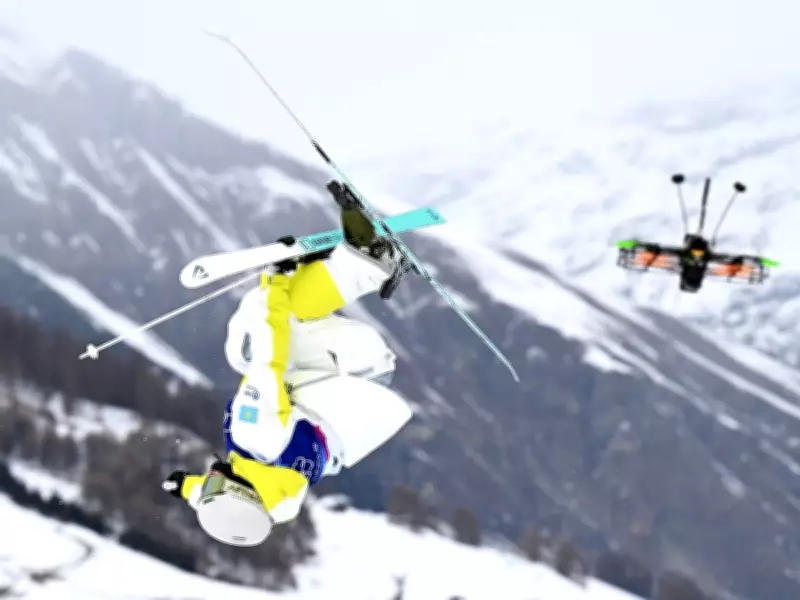
Drones Revolutionize Olympic Broadcasting at Milan-Cortina 2026
Whirring through alpine air and racing down icy tracks, drones have emerged as the unexpected stars of the 2026 Winter Olympics in Milan-Cortina. These mobile cameras are transforming how global audiences experience winter sports, providing unprecedented perspectives that bring viewers closer to the action than ever before.
Unprecedented Access to Athlete Perspectives
Yiannis Exarchos, Chief Executive of Olympic Broadcasting Services (OBS), recently showcased drone highlights during a presentation, emphasizing their revolutionary impact. "We believe, especially for winter sports, that drones present a tremendous opportunity to show and make people feel what it's actually like practicing these sports at this elite level," Exarchos explained. "They allow us to get remarkably close to the field of play."
The drones follow athletes down mogul courses, speed alongside luge competitors, and soar above ski jumpers, creating immersive visual experiences that traditional cameras cannot match. This technology has become particularly valuable for engaging the estimated half of Olympic viewers who aren't dedicated sports fans.

Technical Specifications and Deployment
Olympic Broadcasting Services has deployed an extensive camera network across Northern Italy, including:
- 140 total cameras dispersed throughout competition venues
- 15 specialized First Person View (FPV) drones weighing approximately 250 grams each
- 10 traditional drones used primarily for landscape and scene-setting shots
The FPV drones have been specifically modified for different sports requirements, with trained pilots assigned to each aircraft. Interestingly, drones are not being used in three sports: hockey, curling, and figure skating, where their presence might interfere with competition or athlete safety.
Evolution of Drone Technology in Olympic Broadcasting
OBS first experimented with drones during the 2014 Sochi Winter Games, but the technology was then too cumbersome for close-proximity filming. "The incredible backdrop of these Games really pushes us to find innovative ways to integrate sports with their physical surroundings," Exarchos noted, highlighting how Milan-Cortina's dramatic landscapes have inspired technological advancement.
The drones serve dual purposes: capturing breathtaking visuals of athletes against Northern Italy's stunning scenery and enhancing visual storytelling for sports that may be unfamiliar to casual viewers. "We have a very limited timeframe to make sports understandable and appealing," Exarchos emphasized, underscoring the drones' educational and entertainment value.
Safety Protocols and Pilot Expertise
Safety remains paramount in drone operations. Olympic drones are programmed to trail behind athletes rather than fly in front of them during competition. "If anything unexpected occurs, the drone is designed to divert away from the athlete, moving downward or to the side," Exarchos explained.
OBS has conducted controlled crash tests and established protocols with international sports federations. At speedskating venues, for instance, they've collaborated with the International Skating Union and on-site marshals to develop emergency procedures, though no competition crashes have occurred.
Drone pilots operate using futuristic goggles that provide first-person views from their aircraft, controlling the drones with advanced controllers resembling video game equipment. Some pilots bring specialized expertise—a veteran ski jumper, for example, operates drones at ski jump events, combining technical skill with intimate knowledge of the sport.
The drone revolution at Milan-Cortina represents a significant leap forward in sports broadcasting, offering viewers immersive perspectives that were previously impossible while maintaining strict safety standards for world-class athletes.