Olympic Broadcasting Blunders: When Live Mics and Unfiltered Comments Create Headlines
As the world tunes into thousands of hours of Olympic coverage from Italy, broadcasters walk a tightrope between professional commentary and spontaneous reactions that sometimes slip through. The Milano-Cortina Games have already produced one memorable on-air moment that highlights this delicate balance.
The Snowboarding Commentary That Sparked Debate
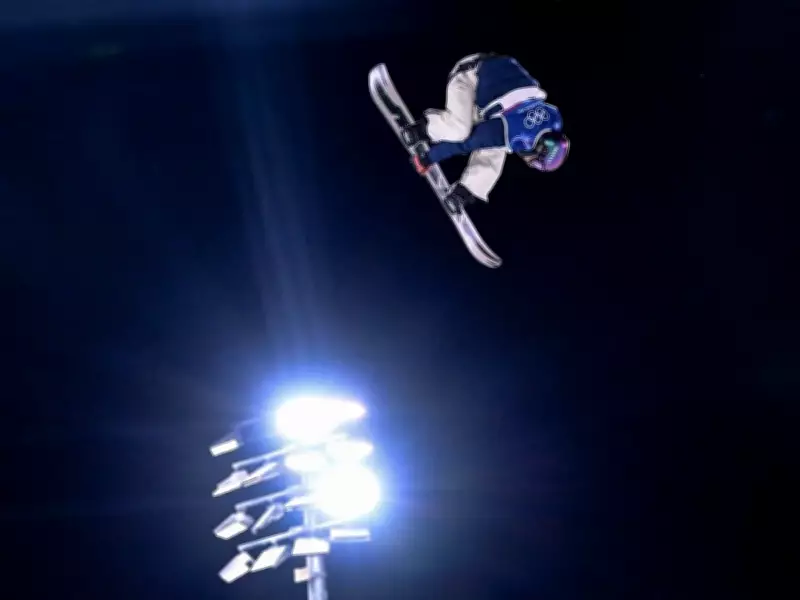
During Saturday's men's snowboarding big air finals, NBC analyst Todd Richards found himself at the center of attention when his microphone picked up comments he believed were off-air. According to reports from Yahoo! Sports, Richards was heard saying, "That was boring. That was so boring. The qualifier was way more exciting."
The former Olympic snowboarder, who represented the United States in 1998, later addressed the situation through an Instagram video and statement. Richards defended his remarks by explaining that the qualifying rounds featured more creative attempts from athletes trying to advance, while the final saw many competitors playing it safe with similar tricks and numerous falls.

"This is nothing I wouldn't say to a reporter or in public," Richards wrote. "Not one word I said had anything to do with a rider in this event. I feel like I shouldn't have to say that, but I am. They all rule."
A Pattern of Problematic Commentary Through the Years
While Richards' comments may have been more about event excitement than controversy, other Olympic broadcast moments from recent Games have crossed into more problematic territory.
The Paris 2024 Swimming Incident
At the Paris Games, veteran British sports journalist Bob Ballard created an international incident with sexist remarks about Australian swimmers following their 4x100m freestyle relay gold medal victory. As the four athletes waved to the cheering crowd while leaving the pool deck, Ballard commented, "Well, the women just finishing off. You know what women are like, hanging around, doing their makeup."
His broadcast partner, former British Olympic swimmer Lizzie Simmonds, immediately responded with, "Outrageous, Bob. Some of the men are doing that as well." Ballard offered a public apology but was promptly fired by Eurosport for what the network called an "inappropriate comment."
The Rio 2016 Coaching Controversy
During the 2016 Summer Games in Rio, NBC broadcaster Dan Hicks found himself in hot water after Hungarian swimmer Katinka Hosszu set a new world record in the 400m individual medley. When the camera panned to her husband and coach, Shane Tusup, celebrating on the sidelines, Hicks remarked, "There's the man responsible."
Social media users quickly labeled the comment sexist for seemingly attributing Hosszu's success to her husband rather than her own athletic prowess. Hicks later admitted to wishing he'd "said things differently" but stood by his opinion, noting that Hosszu herself had credited Tusup with helping revive her career.
The Constant Challenge of Live Broadcasting
These incidents highlight the unique challenges of Olympic broadcasting, where commentators must balance technical analysis with human reaction across countless hours of live coverage. The pressure to fill airtime, combined with the emotional highs and lows of competition, creates an environment where even experienced professionals can misspeak.
As the Milano-Cortina Games continue, broadcasters will undoubtedly remain under scrutiny, with audiences watching not just the athletic performances but also how those performances are described and analyzed. The line between candid commentary and inappropriate remarks remains thin, and as these examples demonstrate, crossing it can have significant consequences for both commentators and networks.
What makes these moments particularly noteworthy is their reflection of broader societal conversations about gender, attribution of success, and professional conduct in sports media. They serve as reminders that in the age of instant social media reaction and heightened awareness of inclusive language, every word spoken on air carries weight beyond the immediate broadcast.