Kazakhstani Tennis Star Plays Villain Role in Melbourne
Yulia Putintseva embraced the role of antagonist at the Australian Open on Friday, delivering a theatrical performance both during and after her hard-fought victory. The Russian-born Kazakhstani tennis professional secured her place in the tournament's fourth round with a dramatic three-set triumph over Turkish qualifier Zeynep Sonmez, but it was her post-match conduct that captured global attention.
Controversial Celebration Follows Intense Match
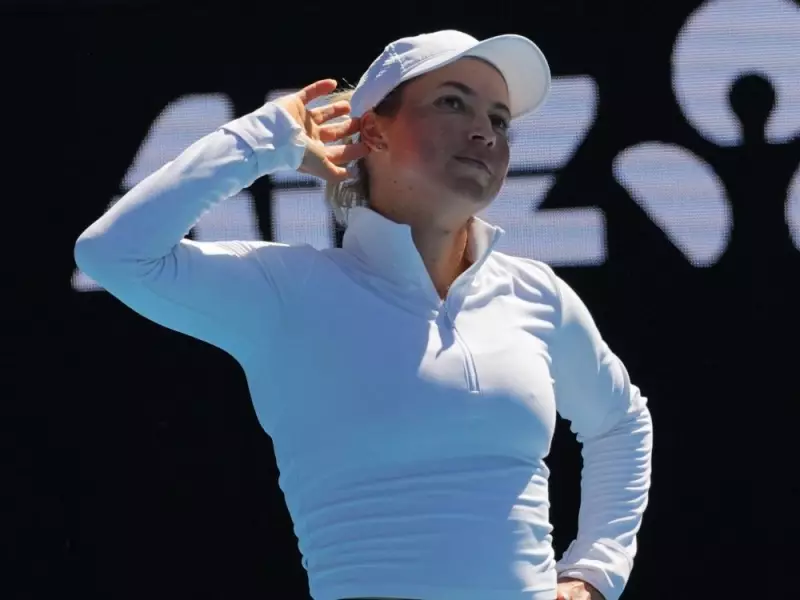
Following her 6-3, 6-7(3), 6-3 victory over the crowd favourite, Putintseva immediately transformed the court into her personal stage. After scoring the decisive point, she deliberately dropped her racket and turned toward the stands, cupping her ear dramatically toward the vocal Turkish supporters who had been cheering for her opponent throughout the match.
As boos cascaded from the stands at Kia Arena, the 29-year-old athlete responded by blowing kisses toward the crowd while gathering her equipment. Despite maintaining professional decorum by shaking hands with both Sonmez and the chair umpire, Putintseva continued her provocative gestures before strutting off the court and breaking into a celebratory dance on the sidelines.

Atmosphere Reaches Fever Pitch in Melbourne
The match environment had been particularly charged from the beginning, with Turkish flags waving throughout the arena as fans rallied behind the 112th-ranked qualifier. Sonmez had been attempting to become the first Turkish player to reach the fourth round of any Grand Slam tournament, adding significant emotional weight to the contest for her supporters.
During her post-match interview, Putintseva faced continued vocal disapproval from the crowd, though she offered measured praise for the passion displayed by Turkish fans. "Honestly, it was a really crazy atmosphere here," she acknowledged. "Look at them. They're very passionate about what they're doing. It's very great to see, especially against me, because I love this kind of battle."
Player Explains Reaction to Crowd Behavior
In her subsequent press conference, Putintseva provided context for her controversial celebration, revealing that she perceived the crowd's behavior as deliberately disruptive. "The guy started coughing just for my shot," she explained. "I was like, OK now I'm not gonna lose. I was ready to fight until I die there."
The tennis star further elaborated on her perspective regarding crowd etiquette, stating: "What can I do? It's just some people have education of tennis and, unfortunately, some of them not. But I'm very happy that I kept my calm, because Yulia last year would probably throw something at them."
Historical Context of Controversial Behavior
This incident represents the latest chapter in Putintseva's history of contentious interactions at major tournaments. During the 2024 U.S. Open, she faced significant criticism for her treatment of a ball girl during a match against Jasmine Paolini. In that widely circulated incident, Putintseva allowed tennis balls to bounce off her body rather than catching them from the young attendant, drawing boos from spectators and condemnation across social media platforms.
Contrasting Sportsmanship on Display
The behavior stands in stark contrast to that of her opponent, Zeynep Sonmez, who earned admiration earlier in the tournament for her compassionate response to a medical emergency. During her opening-round match, Sonmez immediately suspended play to assist a ball girl who had fainted due to extreme heat conditions, helping her find shade and medical attention while receiving applause from appreciative spectators.
This juxtaposition highlights the diverse personalities and approaches to competition that characterize modern professional tennis, where emotional expression and crowd interaction have become increasingly prominent elements of the sport's spectacle.
As Putintseva advances in the Australian Open, her victory celebration has sparked broader conversations about sportsmanship, fan-player dynamics, and the psychological warfare that can unfold both on and off the court during high-stakes Grand Slam competitions.