In a disappointing start for Canadian tennis at one of the sport's most prestigious clay-court events, both Denis Shapovalov and Gabriel Diallo were eliminated from the Monte Carlo Masters in their opening-round matches. The tournament, held at the Monte Carlo Country Club in Monaco, is a key warm-up event for the French Open and attracts the world's top players.
Shapovalov's Struggles Continue on Clay
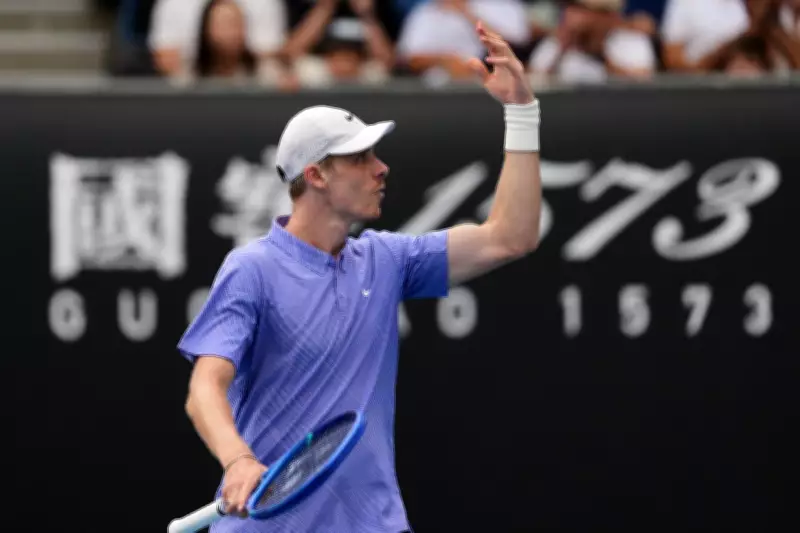
Denis Shapovalov, the veteran Canadian star from Richmond Hill, Ontario, faced a tough challenge in his first match. Despite his powerful serve and aggressive baseline game, Shapovalov was unable to find his rhythm on the slow clay surface. His opponent capitalized on unforced errors and inconsistent play from the Canadian, securing a straight-sets victory.
This loss adds to a difficult period for Shapovalov, who has been working to regain the form that once saw him ranked as high as World No. 10. The Monte Carlo Masters represents a missed opportunity to gain valuable ranking points and confidence ahead of the major European clay-court season.

Diallo's Learning Experience on the Big Stage
Meanwhile, rising Canadian talent Gabriel Diallo also exited the tournament after a hard-fought battle. The Montreal native, known for his impressive height and powerful game, showed flashes of brilliance but ultimately fell to a more experienced opponent. For Diallo, competing at such a high-level ATP Masters 1000 event provides crucial experience against elite competition.
Diallo's participation in Monte Carlo highlights his continued development on the professional tour. While the result was not what he hoped for, the match offered valuable lessons about the demands of top-tier tennis, particularly on clay courts that require different tactical approaches than hard courts.
Clay Court Challenges for Canadian Players
The early exits of both Shapovalov and Diallo underscore the particular challenges Canadian tennis players often face on clay surfaces. With most training facilities and tournaments in Canada occurring on hard courts, adapting to the slower, more demanding clay requires specific preparation and adjustment.
Clay court tennis demands exceptional physical conditioning, patience in constructing points, and specialized movement skills that differ significantly from hard court play. The surface rewards consistency, strategic shot selection, and defensive prowess over pure power.
Looking Ahead to the Clay Court Season
Despite these setbacks, both players will continue their European clay court campaigns in the coming weeks. The tennis calendar features several important tournaments leading up to the French Open at Roland-Garros, beginning in late May.
For Shapovalov, the focus will be on refining his game and building momentum through the remaining clay events. For Diallo, the priority remains gaining experience against top competition while continuing to develop his all-court game.
The Monte Carlo Masters continues without Canadian representation in the singles draw, but both players are expected to return to competition soon as they prepare for the remainder of the clay court season and the upcoming French Open.