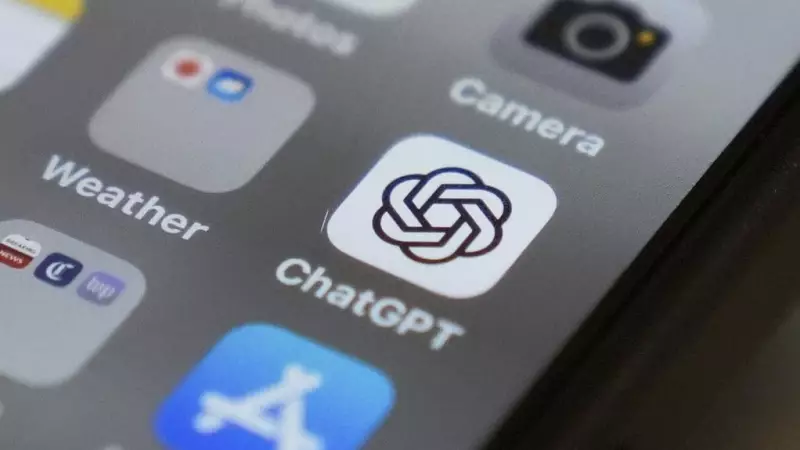
In a story blending technology with tradition, a baby born in the United States just after the stroke of midnight on New Year's Day 2026 received a name chosen not by its parents, but by the artificial intelligence chatbot, ChatGPT.
A Modern Twist on an Old Tradition
The event marks a contemporary take on the long-standing tradition of celebrating the first baby born in a new year. While hospitals often gift baskets and media attention to these symbolic newborns, this particular family opted for a decidedly 21st-century method for the final decision: consulting an AI. The baby was born just after midnight on January 1, 2026, securing its place as one of the year's first new arrivals.
The parents turned to the popular AI language model developed by OpenAI to help select the perfect name. This incident highlights the growing integration of artificial intelligence into deeply personal and life-changing decisions, moving beyond its typical roles in information retrieval or content creation.

The Role of AI in Personal Milestones
While the specific name chosen by ChatGPT was not disclosed in the initial report, the act itself speaks volumes about shifting societal norms. Naming a child is one of the first and most significant choices parents make, often laden with family history, cultural meaning, and personal preference. Delegating this choice, even partially, to an algorithm represents a fascinating milestone in human-AI interaction.
The report, filed by journalist Aarjavee Raaj and published on January 5, 2026, showcases how tools like ChatGPT are permeating everyday life in unexpected ways. The AI, which generates human-like text based on prompts, can analyze trends, meanings, and origins of names, offering suggestions that parents might not have considered.
Broader Implications and Cultural Shift
This story is more than a quirky human-interest piece; it reflects a broader cultural moment. As AI becomes more sophisticated and accessible, its influence expands from professional and educational tools into the intimate spheres of family and personal identity. The decision raises questions about creativity, tradition, and the role of technology in shaping human experiences.
Will using AI for such purposes become a common trend, or will it remain a novel anecdote? This event, occurring in the first minutes of 2026, may well be a sign of things to come. It underscores a world where the line between human decision-making and machine-assisted suggestion continues to blur, even for the most heartfelt of life's choices.
For now, the first New Year's baby of 2026 carries a name forever linked to a moment in technological history, a unique story to tell for years to come.