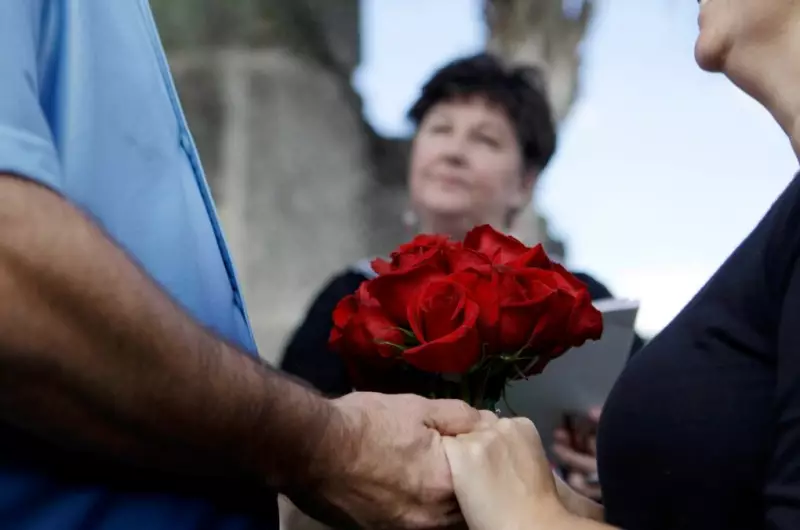
In a landmark case highlighting the clash between emerging technology and established legal frameworks, a Dutch couple has discovered their artificial intelligence-generated wedding vows do not hold up in the eyes of the law. The incident, reported in early 2026, underscores the complex challenges regulators face as AI integrates into deeply personal and legally binding ceremonies.
The Core of the Legal Dispute
The issue came to light when authorities in the Netherlands reviewed the matrimonial proceedings. Dutch law has specific requirements for the declaration of consent during a wedding ceremony, which is considered a profoundly personal and intentional act. The use of an AI to draft the pivotal "I do" vows was deemed to potentially undermine the requisite personal commitment and authenticity.
The central legal argument holds that the solemn promise to marry must originate from the individuals themselves, not from an algorithm. This ruling effectively nullified the legal standing of those particular vows, forcing the couple to reaffirm their commitment using personally composed statements to ensure their marriage was fully recognized under national law.

Broader Implications for Technology and Personal Rituals
This case sets a significant precedent, not just in the Netherlands but for other jurisdictions observing how to manage the intersection of AI and personal life events. While AI tools are increasingly used for drafting speeches, letters, and creative content, their application in legally binding rituals presents a unique hurdle.
Legal experts suggest this decision may spur discussions and potential legislation in other countries, including Canada, as the use of generative AI becomes more commonplace. The question of authenticity, intent, and personal agency in automated processes is now at the forefront of legal tech debates.
Where Does This Leave AI-Assisted Ceremonies?
For now, the Dutch ruling draws a clear line: the core legal declarations of marriage must be human-generated. However, this does not necessarily ban all use of AI in weddings. Couples may still use AI for other aspects, such as writing readings, planning logistics, or composing non-essential parts of their ceremony speeches.
The key distinction lies in the legally mandated expressions of consent. As one legal analyst summarized, the technology can assist with inspiration or structure, but the final, binding words must be a direct expression of the individual's will. This case serves as a cautionary tale for couples and tech developers alike, emphasizing that in matters of law and heart, human authorship remains paramount.