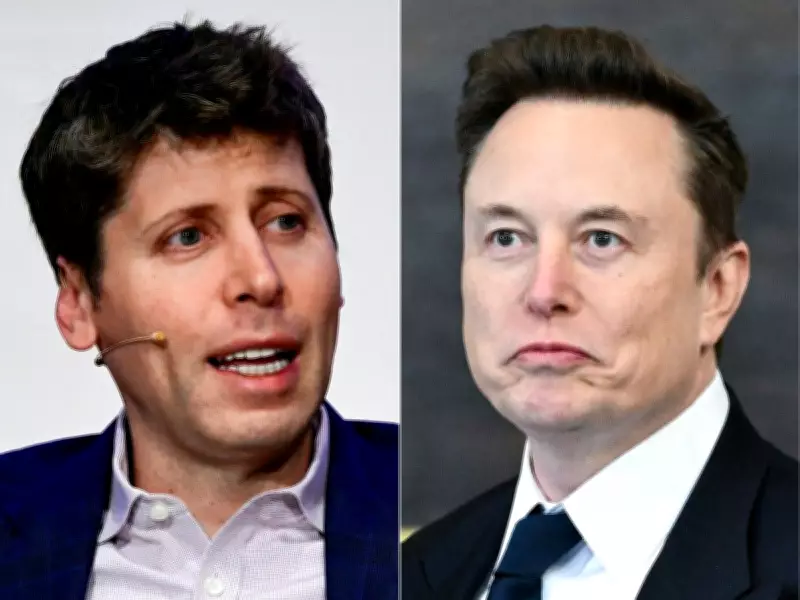
Sam Altman, the chief executive of OpenAI, testified in court that he felt “extremely uncomfortable” with Elon Musk’s insistence on having complete control over a proposed for-profit subsidiary of the artificial intelligence company back in 2017. The testimony, delivered on Tuesday, May 12, 2026, marked the latest chapter in the long-standing feud between the two tech billionaires, who once shared a vision for AI development before their relationship soured over the company’s direction.
Altman described a particularly unsettling moment during negotiations when his co-founders asked Musk what would happen if he died while retaining control. According to Altman, Musk responded, “I haven’t thought about it a ton, but maybe I should pass it to my children.” Altman added, “I didn’t feel comfortable with that.”
The OpenAI chief took the witness stand in the final days of the high-profile trial, where Musk has accused Altman and company president Greg Brockman of abandoning OpenAI’s nonprofit mission to enrich themselves by converting it into a for-profit entity with billions in investments from Microsoft Corp.

Musk previously testified that he began losing confidence in Altman and Brockman during the 2017 negotiations about OpenAI’s future. He was the company’s biggest financial backer at the time and believed his equity in the for-profit venture should reflect that. Musk stated he contributed roughly US$38 million to OpenAI through quarterly donations and rent payments, far less than the US$1 billion he initially pledged.
Altman told the jury that he personally contributed US$3.75 million to the nonprofit at its inception and later gave “a multiple of that” in equity interests to employees. He has repeatedly stated that he currently holds no direct equity stake in OpenAI.
Altman also expressed frustration that Musk’s proposals for the equity split did not account for the significant time and effort he and other co-founders had devoted to launching the startup. “It was totally true that Elon was proposing to put in a lot of money, and Elon had a lot of brand value,” Altman said. “But I really wanted to stand up for Greg and Ilya,” referring to co-founder Ilya Sutskever. He added, “One of the most special things about OpenAI has been we have incredible team spirit and teamwork. And I remember in these conversations, I felt that Elon just really deeply didn’t get that and wasn’t valuing it.”
Musk departed OpenAI’s board in 2018 and stopped paying rent on its office space in 2020. Altman noted that Musk’s departure affected OpenAI “up and down,” raising questions about its fundraising capabilities without his support.