Apple's highly anticipated Siri update has finally arrived, marking a significant milestone in the company's artificial intelligence ambitions. However, industry analysts warn that the real challenge is just beginning as Apple must now deliver on the lofty expectations set by its announcements.
What the Update Brings
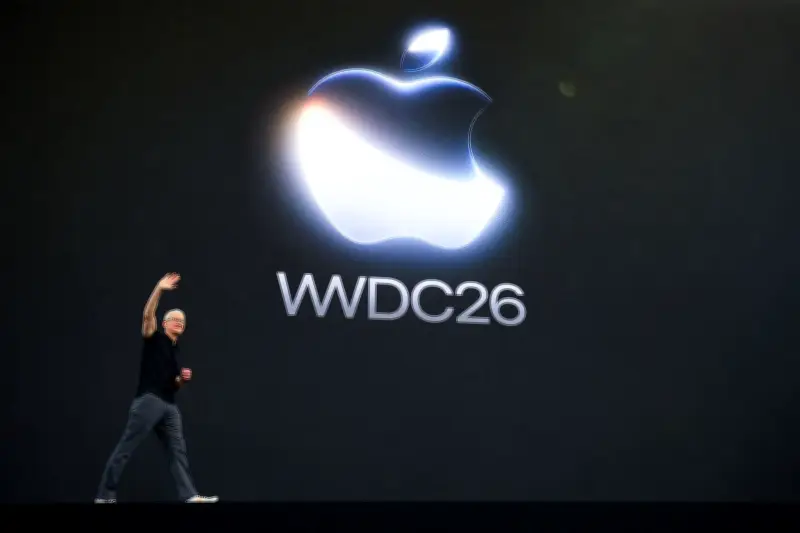
The new Siri, unveiled at Apple's Worldwide Developers Conference (WWDC) in Cupertino, California, promises more natural conversations, improved contextual understanding, and deeper integration with third-party apps. Apple CEO Tim Cook showcased the update on stage, highlighting features like on-screen awareness and the ability to take actions across apps seamlessly.
The Road Ahead
Despite the fanfare, experts caution that Apple faces an uphill battle. Competitors like Google Assistant and Amazon Alexa have long offered similar capabilities, and Apple's privacy-focused approach may limit how aggressively it can push AI boundaries. Moreover, the update's success depends on developers updating their apps to support the new Siri features.

Privacy Concerns
Apple has emphasized that all Siri processing happens on-device, a stance that differentiates it from rivals but also restricts the AI's ability to learn from vast cloud-based datasets. This trade-off could impact the assistant's accuracy and responsiveness in complex queries.
Market Expectations
Investors and users alike are watching closely. The update is seen as a test of Apple's ability to innovate in AI without compromising its core values. If successful, it could revitalize Siri's market position and drive iPhone upgrades. If not, Apple risks falling further behind in the AI race.
Conclusion
While the Siri update is a step forward, the true measure of its success will be in the months ahead as users and developers put it to the test. Apple's challenge is to prove that it can compete in AI while staying true to its principles.