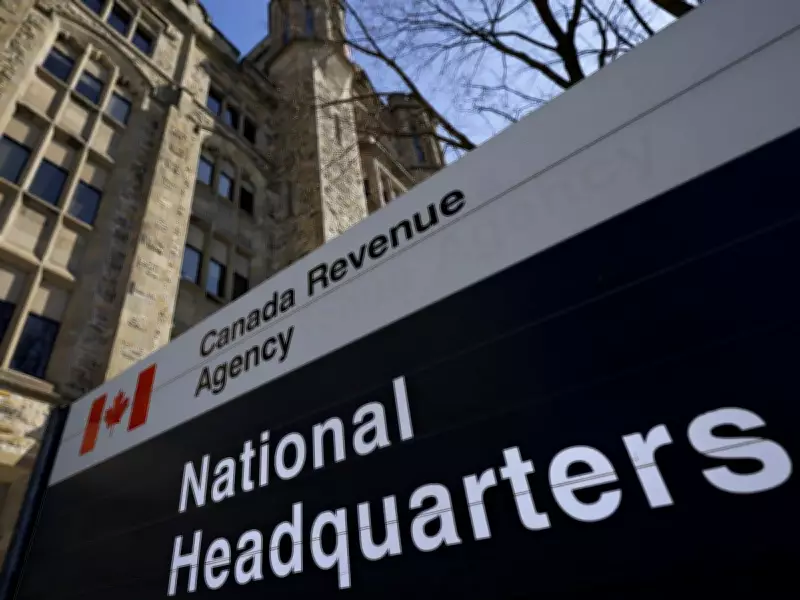
The Canada Revenue Agency (CRA) has issued a warning to Canadians about scammers who pretend to be from the agency. These fraudsters use various tactics to deceive victims, including fake text messages and emails promising tax refunds. With tax season recently concluded, such scams are on the rise, and the CRA is urging the public to remain vigilant.
How Scammers Operate
One of the latest scams involves a text notification that claims to offer a tax refund via a fake Interac e-transfer link. The message often includes the Government of Canada logo to appear legitimate. Victims are then directed to a fraudulent website that mimics their bank’s sign-in portal, where they are asked to enter sensitive information. The CRA emphasizes that it will never send refunds through e-transfer links or request payment via such methods.
Official Refund Methods
The CRA only issues refunds through direct deposit into your bank account or by mailing a cheque to your home. The agency does not use e-transfers, prepaid credit cards, retail gift cards, or cryptocurrency for refunds or payments. Payments to the CRA should be made securely through the CRA My Payment service, by adding the CRA as a bill payee through your bank, or by mailing a cheque.

Red Flags to Watch For
The CRA advises Canadians to be suspicious of any communication that demands immediate payment or threatens arrest. The agency will never threaten you with arrest or demand payment via public meeting. Additionally, the CRA will not ask for personal or financial information through voicemail or email. If you receive a call from someone claiming to be from the CRA, you should verify their identity by asking for their name and phone number, then using the CRA’s confirmation tool to check if the number is legitimate.
Fake Websites
Scammers also create fake websites that look like the official CRA site. These sites often have unusual web addresses, such as cra-login-canada.com or cra-account-notice.info, with extra words, strange endings like .info or .cfd, or misspellings like crra or carev. The official CRA website always starts with canada.ca or ends with cra-arc.gc.ca. If you encounter a site that doesn’t match this pattern, it is likely a fake.
How to Protect Yourself
The CRA urges Canadians to never click on links in unsolicited messages. If you receive a suspicious message, do not respond or provide any information. Instead, contact the CRA directly using official contact information from their website. The only time the CRA sends a text message is as part of its multi-factor authentication process for signing into your online account.
Latest Scams
Among the recent scams reported are fake tax refund offers via text, often accompanied by a link to a fraudulent bank portal. The CRA reminds taxpayers that any unsolicited offer of a refund through e-transfer is a scam. Always verify the source before taking any action.