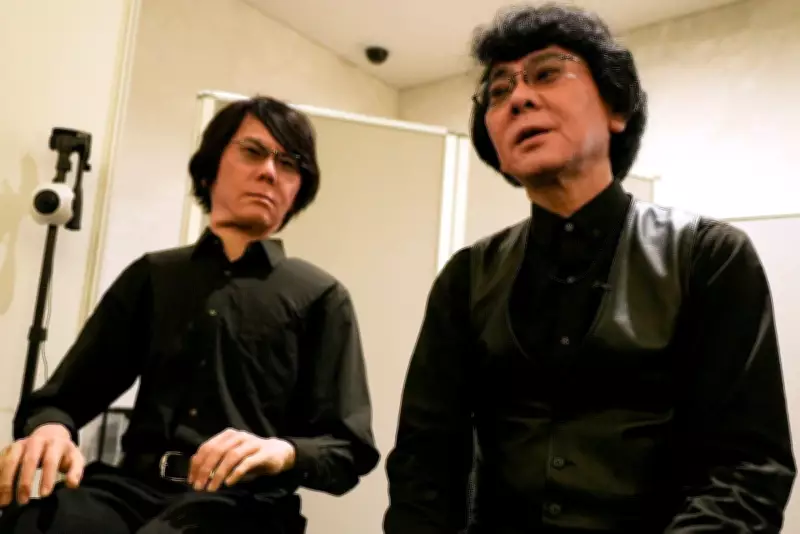
At the Humanoids Summit 2026 in Tokyo, Japanese robotics developers showcased humanoid robots capable of dancing and threading needles, underscoring their efforts to outpace Chinese competitors in the rapidly evolving field. The event, held on May 28, 2026, featured demonstrations from leading researchers, including Professor Hiroshi Ishiguro of Osaka University, who presented his android robot Geminoid.
Key Demonstrations and Innovations
The summit highlighted Japan's focus on creating robots with human-like dexterity and movement. One robot performed a choreographed dance routine, while another successfully threaded a needle, showcasing precision manipulation. These feats are part of a broader push to advance robotics for applications in healthcare, manufacturing, and daily assistance.
Global Competition Heats Up
Japanese developers face increasing pressure from Chinese firms, which have made significant strides in robotics production and AI integration. China has become a dominant player in the robotics market, driven by government support and large-scale manufacturing. In response, Japanese researchers are emphasizing quality, innovation, and human-robot interaction to maintain a competitive edge.

Professor Ishiguro's Vision
Professor Ishiguro, a pioneer in android robotics, demonstrated Geminoid, a lifelike robot designed to mimic human expressions and movements. He emphasized the importance of making robots more relatable and capable of performing delicate tasks. "We are not just building machines; we are creating companions that can understand and assist humans," Ishiguro said during the summit.
Industry Implications
The summit also featured discussions on the future of robotics, including ethical considerations and potential workforce impacts. As robots become more adept, industries such as elder care, surgery, and precision manufacturing could see transformative changes. Japanese companies are investing heavily in R&D to ensure their technologies remain at the forefront.
The Humanoids Summit 2026 serves as a platform for global collaboration and competition, with Japan and China leading the charge. Attendees expressed optimism about the potential for humanoids to address societal challenges, from labor shortages to aging populations.