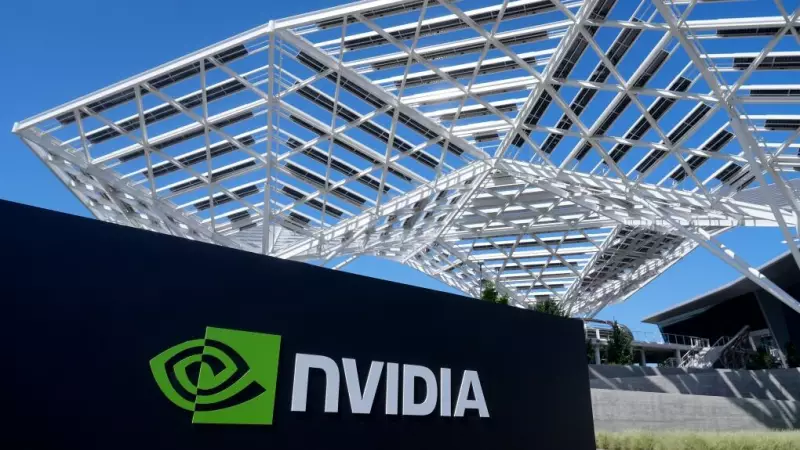
In a significant move within the global technology sector, Nvidia Corporation has initiated discussions with its manufacturing partner, Taiwan Semiconductor Manufacturing Company (TSMC), regarding a substantial new order for its latest high-performance artificial intelligence chip. The development, reported on December 31, 2025, highlights the intense and growing demand for advanced computing hardware, particularly from the Chinese market.
Surge in Demand Drives Production Talks
The core of the discussions revolves around ramping up production for Nvidia's H200 graphics processing unit (GPU). This chip represents the next generation of hardware designed to power complex AI applications and data centers. Industry analysts point to a notable jump in demand from China as a primary catalyst for these high-level supply chain negotiations. Companies and research institutions within China are aggressively seeking advanced AI capabilities, fueling a competitive scramble for the necessary hardware.
While specific order volumes and financial terms remain confidential, engaging with TSMC—the world's leading contract chipmaker—is a standard but critical step for Nvidia to secure manufacturing capacity. This process, often called "tape-out," involves finalizing the chip design for mass production. The move signals Nvidia's confidence in the sustained market appetite for its flagship AI products.

Navigating a Complex Global Market
This production push occurs against a backdrop of ongoing geopolitical tensions and export controls affecting the semiconductor trade between the United States and China. Nvidia has previously developed modified versions of its chips for the Chinese market to comply with U.S. regulations. The reported surge in demand suggests that despite these challenges, the appetite for cutting-edge AI technology within China remains robust, compelling Nvidia to ensure its supply chain can respond effectively.
The success of this order with TSMC is crucial for Nvidia to maintain its dominant market position in AI accelerators. Any delays or constraints in production could impact the company's ability to meet global demand, potentially allowing competitors to gain ground. For TSMC, securing another major order from a top client like Nvidia reinforces its pivotal role in the global tech ecosystem.
Implications for the AI Industry
The increased production of the H200 chip is expected to have ripple effects across multiple industries reliant on artificial intelligence. From autonomous vehicle development and pharmaceutical research to large language models and climate forecasting, access to more powerful and efficient computing hardware accelerates innovation. The talks between Nvidia and TSMC, therefore, are not merely a corporate supply chain issue but a barometer for the near-term growth trajectory of the entire AI sector.
As 2026 begins, the semiconductor industry continues to be a focal point of technological advancement and international commerce. The outcome of these production negotiations will be closely watched by investors, tech companies, and policymakers worldwide, as it directly influences the pace at which next-generation AI applications can be developed and deployed.