Toronto Police Uncover Sophisticated AI-Driven Retail Fraud Operation
In a striking demonstration of how technology is being weaponized for criminal purposes, Toronto police have dismantled a highly organized retail fraud ring that leveraged artificial intelligence tools and smart glasses to execute scams across the Greater Toronto Area. The investigation, which culminated in the arrest of seven individuals, reveals a disturbing evolution in retail crime tactics, moving beyond traditional methods to incorporate cutting-edge digital tools.
The Suspects and Their Alleged Tech Arsenal
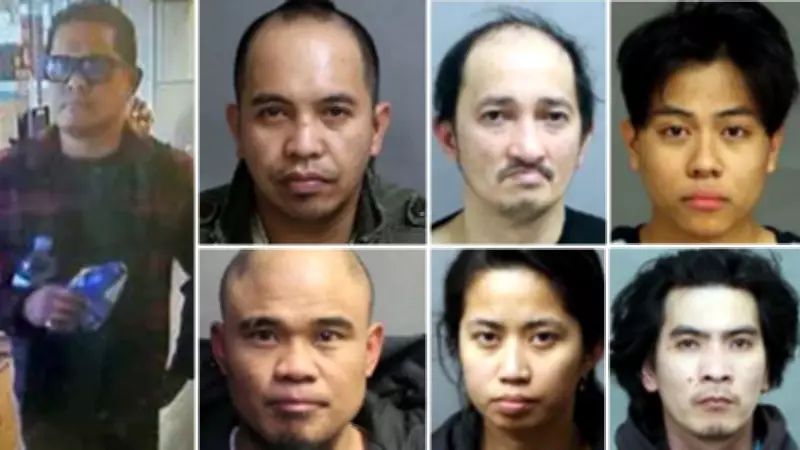
Police have identified the accused as Danibros Flores, 49; Lord Jeffrey Gelera, 49; Paul Paje, 44; Vince Villaluz, 26; Nixcel Gamayon, 44; Remfrance Jusi, 41; and Ronald Reyes, 40. According to authorities, this group utilized a combination of smart glasses—wearable devices capable of recording video, scanning barcodes, and accessing data discreetly—alongside other unspecified AI applications to facilitate their fraudulent activities. The precise nature of these AI tools remains under investigation, but they are believed to have been used to manipulate inventory systems, forge documents, or bypass security measures in retail environments.
The Mechanics of the Organized Fraud Scheme
While full operational details are still emerging, police describe the fraud as "organized" and systematic, suggesting a coordinated effort targeting multiple retailers. The smart glasses likely allowed suspects to gather real-time information on products, prices, and security protocols without arousing suspicion, enabling them to execute complex scams such as fraudulent returns, counterfeit coupon redemptions, or coordinated thefts. This tech-enabled approach represents a significant shift from conventional retail fraud, which often relies on simpler deception or force.

The implications of this case extend beyond the immediate arrests, pointing to a broader trend where criminals are increasingly adopting advanced technologies to enhance their illicit operations. Law enforcement agencies must now contend with perpetrators who are as digitally savvy as they are criminally motivated, requiring updated investigative techniques and cybersecurity measures.
Broader Context and Law Enforcement Response
This bust comes amid growing concerns about the misuse of AI and wearable technology in criminal enterprises. From deepfake scams to drone-assisted thefts, the integration of tech into illegal activities poses new challenges for police and retailers alike. Toronto police have emphasized that this investigation is part of a larger effort to combat organized retail crime, which costs Canadian businesses billions annually. They urge retailers to enhance their surveillance systems, train staff to recognize tech-assisted fraud, and report suspicious activities promptly.
As AI continues to permeate everyday life, its potential for abuse in fraud schemes cannot be ignored. This case serves as a stark reminder that innovation in crime prevention must keep pace with innovation in crime itself. Authorities are likely to increase scrutiny on the sale and use of smart glasses and similar devices in retail settings, potentially leading to new regulations or security protocols.
The arrested individuals face multiple charges related to fraud, conspiracy, and possession of property obtained by crime. Their case is expected to proceed through the courts, potentially setting legal precedents for how AI-assisted crimes are prosecuted in Canada. For now, Toronto police celebrate a significant victory in their fight against organized retail fraud, while acknowledging the ongoing battle against tech-savvy criminals.