In what promises to be yet another exercise in futility, Culture Minister Marc Miller last week introduced a ban on social media for children under 16 years of age.
The only thing certain is that it will spawn another bloated bureaucracy, wherein hand-picked Liberal cronies will be highly compensated for overseeing the ban. It also gives them enormous power over what individuals can see and do online.
New Regulator Raises Concerns
The new law creates an independent regulator. The Digital Safety Commission of Canada, a long name for what was formerly known as Big Brother, will set standards for social media platforms that want exemptions from the ban. The use of AI chatbots would not have to be age-verified, but companies must provide protocols to intervene if a user expresses the intent to do harm to themselves or others.

Lessons from Australia
Australia implemented an under-16 social media ban last year. A recent study, however, found parents reported that 70% of children are still on social media, and many platforms still do not require age verification.
The problem with telling teenagers what they can and can't do on social media is that many of them are light-years ahead of their parents with technology. Some adults actually rely on teens to help them out with new concepts. As well, many teens are extremely savvy when it comes to circumventing online rules.
Privacy Issues and Enforcement Challenges
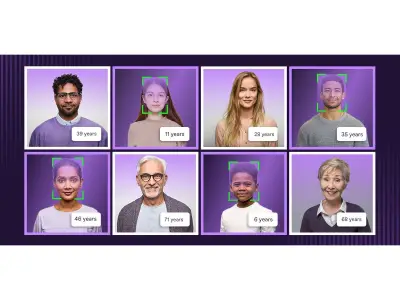
The new rules also open up thorny privacy issues. It will require all users to now provide proof of age before they can venture into cyberspace.
University of Ottawa professor Michael Geist points out that setting up the new commission could take years, yet the government is fast-tracking the new bill. Once it becomes law, the government intends to declare the ban in force.
“No commission means no age verification standards, no privacy review, no exceptions and no effective enforcement,” Geist says on his blog.
That creates a huge risk at the start of the ban, when tens of millions of Canadians would be required to verify their age.
The government, he says, is “sidelining the privacy protections written into its own bill and essentially conceding that the ban is unlikely to carry any real consequences for those services that fail to comply when it first takes effect.”
Big Brother, it seems, may be toothless after all.