The global push for government-mandated digital identification is accelerating, sparking a fierce debate between proponents of convenience and security and privacy advocates who warn it creates a blueprint for totalitarian control. In a column published on December 20, 2025, commentator John Stossel highlights the growing divide over systems that would tie an individual's identity to nearly every aspect of their digital and physical life.
The Global March Towards Digital Identification
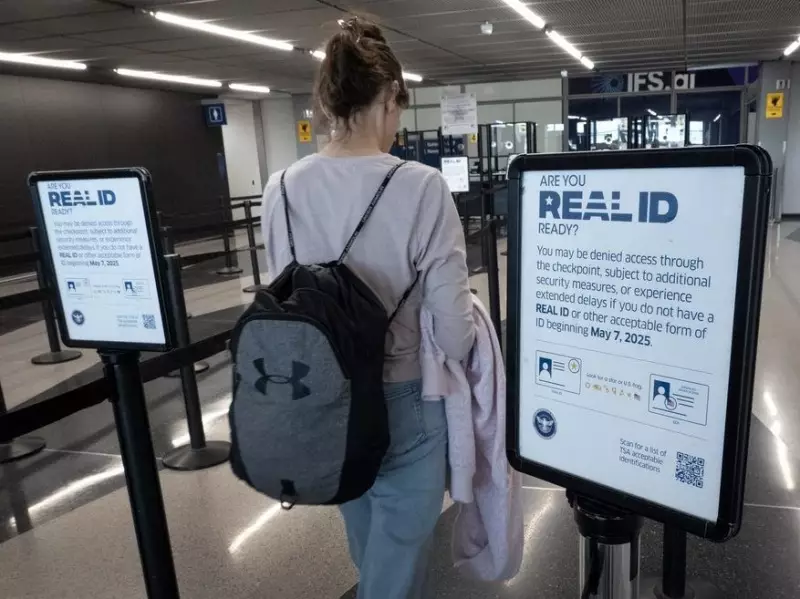
In the United States, Homeland Security Secretary Kristi Noem has issued a stern reminder that a REAL ID will be required for air travel and access to federal buildings. However, the ambitions of other Western nations extend far beyond physical credentials. According to Stossel TV producer Kristin Tokarev, European politicians are aggressively advancing comprehensive digital ID programs.
Spain's prime minister has openly promised "an end to anonymity" online. In the United Kingdom, the prime minister has declared that a digital ID will be mandatory for employment. Even royalty has weighed in, with Queen Maxima of the Netherlands telling the World Economic Forum that such IDs are beneficial for tracking vaccinations.

The concept has influential backers in the tech world. Oracle founder Larry Ellison, one of the world's wealthiest individuals, suggested that constant recording and reporting would encourage citizens to be on their "best behaviour."
Privacy Experts Sound the Alarm
Privacy specialist Naomi Brockwell offers a starkly different perspective, calling Ellison's vision "a recipe for disaster and totalitarianism." She argues that the core issue is autonomy. "Privacy is not about hiding," Brockwell explains. "It's about an individual's right to decide for themselves who gets access to their data. A digital ID will strip individuals of that choice."
The fundamental danger, according to Brockwell, is interconnectivity. Unlike a physical driver's license or passport, a digital ID can seamlessly link a person's financial transactions, social media activity, location data, and consumption habits. "You won't be able to voice things anonymously online anymore. Everything you say will be tied back to who you are," she warns.
While proponents tout the ease of accessing services and money, Brockwell counters that this convenience comes with immense vulnerability. "You're essentially putting a giant target on every aspect of your life, wrapping it up in a nice bow and saying, 'Here, if you want to control me, just untie this.'"
A Canadian Precedent and a Chilling Parallel
The risks are not merely theoretical. Brockwell points to the 2022 freezing of bank accounts belonging to Canadian truckers who participated in protest convoy activities. She argues that with a centralized digital ID, such punitive actions by authorities could be executed far more swiftly and comprehensively.
Furthermore, initiatives like age verification laws, which require identification to access certain websites under the guise of protecting children, are seen as potential Trojan horses. "Unfortunately, politicians just can't promise that it will only ever be used for that," says Brockwell. She cautions that these systems could evolve into tools for social control, mirroring China's social credit system where low scores can restrict access to education, travel, and other essentials.
"It makes you super easy to target! Easy to silence if suddenly you become 'problematic,'" Brockwell insists. "Whoever controls that data has a lot of power. We're simply handing it to them." She rejects the notion that Western democracies are immune, stating, "The surveillance infrastructure we're trying to put in place in the United States is heading directly towards where China currently is."

What Can Citizens Do?
Despite the daunting outlook, Brockwell emphasizes that public pushback is critical and can be effective. She urges individuals to recognize their power to affect change by contacting elected representatives, raising awareness, and opposing the construction of this surveillance infrastructure before it becomes entrenched. The battle, as framed by Stossel, remains a fundamental clash between expanding government control and preserving personal freedom in the digital age.