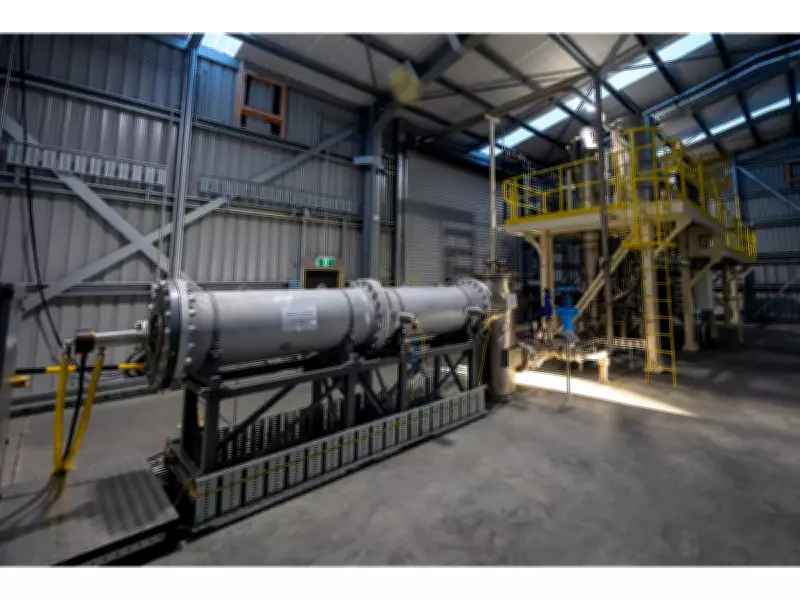
In a significant milestone for environmental technology, PyroGenesis Inc. has officially unveiled its innovative plasma-based SPARC™ system during the launch of New Zealand's National Refrigerant Destruction Facility. This groundbreaking facility, which opened on March 20, 2026, represents the first of its type in the Southern Hemisphere and marks a pivotal step in addressing climate change through advanced waste management solutions.
Revolutionary Technology for Hazardous Refrigerant Destruction
The SPARC™ system, developed by PyroGenesis, utilizes an all-electric steam plasma arc to safely and permanently destroy up to 100,000 kilograms per year of hazardous end-of-life synthetic refrigerants. These substances include CFCs, HFCs, and HCFCs, which collectively possess a Global Warming Potential equivalent to 220 million kilograms of carbon dioxide. By eliminating these gases, the technology prevents their harmful release into the atmosphere, thereby mitigating their impact on global warming.
A $6 Million Contract for National Environmental Initiative
PyroGenesis secured a contract valued at approximately $6 million to design and build the SPARC™ system for New Zealand. This initiative aims to tackle the climate impact of harmful refrigerant gases domestically, moving away from the previous practice of collecting, storing, and transporting these gases to Australia for incineration. The new facility enables New Zealand to handle its refrigerant waste locally, reducing transportation emissions and enhancing environmental stewardship.

Synthetic Refrigerants and Their Environmental Impact
Synthetic refrigerants are commonly found in various applications, including heat pumps, commercial refrigeration systems, and residential and commercial air conditioning units. When these products reach end-of-life, the refrigerants can leak into the environment if not properly managed. The new facility ensures that these gases are captured and treated effectively, eliminating the need for stockpiling and offshore shipping. This approach not only safeguards the environment but also supports a more sustainable waste management framework.
Integration with Renewable Energy Sources
Strategically located adjacent to geothermal plants, the National Refrigerant Destruction Facility leverages renewable energy to power its operations. This integration supports an environmentally sustainable closed-loop system, aligning with global efforts to reduce carbon footprints and promote green technology. By utilizing geothermal energy, the facility minimizes its reliance on fossil fuels and enhances its overall sustainability profile.
Official Opening and Statements from Key Figures
The facility's opening ceremony took place in the town of Kawerau, where local and national officials, along with representatives from Cool-Safe New Zealand and PyroGenesis' Lead Process Engineer Jean-René Gagnon, participated in the ribbon-cutting event. Richard Lauder, Chair of the Trust for the Destruction of Synthetic Refrigerants, emphasized the importance of this development, stating, "This plant represents the beginning of a new chapter in advanced environmental stewardship and action on dealing with end-of-life refrigerants in Aotearoa New Zealand."
Lauder highlighted the widespread reliance on refrigerants across various sectors, from healthcare and supermarkets to logistics and temperature-controlled supply chains. He noted that addressing the climate impact of these gases requires their safe and permanent destruction at end-of-life, a solution now available within New Zealand's borders. This facility not only provides a local solution but also sets a precedent for other regions to adopt similar technologies in the fight against climate change.
Future Implications and Global Relevance
The successful deployment of PyroGenesis' SPARC™ system in New Zealand underscores the growing importance of innovative technologies in environmental conservation. As countries worldwide grapple with the challenges of hazardous waste management, this project serves as a model for integrating plasma-based destruction methods with renewable energy sources. It demonstrates how technological advancements can drive sustainable practices and contribute to global climate goals.

In summary, the launch of New Zealand's National Refrigerant Destruction Facility, powered by PyroGenesis' SPARC™ system, marks a significant achievement in environmental technology. By enabling the local destruction of hazardous refrigerants and utilizing renewable energy, this initiative paves the way for a more sustainable future, reducing greenhouse gas emissions and promoting ecological responsibility on a global scale.