China's Humanoid Robots Take Center Stage at Lunar New Year Temple Fair
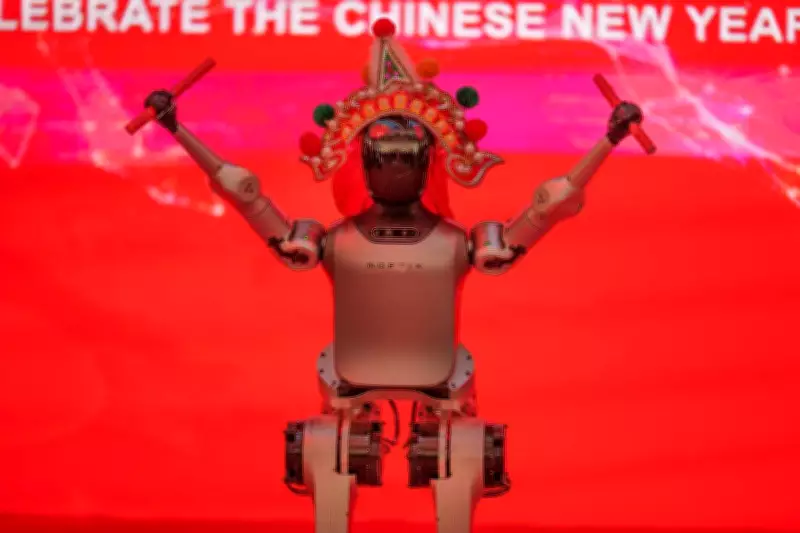
In a striking fusion of tradition and cutting-edge technology, China recently showcased its latest advancements in robotics during a special Lunar New Year celebration. A robotic temple fair held in Beijing in mid-February 2026 featured humanoid robots adorned in traditional Chinese headdresses, offering visitors a glimpse into the future of cultural preservation through artificial intelligence.
Robotic Cultural Ambassadors
The event, which served as a media preview ahead of the actual Lunar New Year festivities, displayed humanoid robots performing various cultural functions typically associated with traditional temple fairs. These sophisticated machines, developed by Chinese robotics companies, demonstrated capabilities ranging from interactive communication to performing ceremonial gestures while wearing elaborate traditional costumes.
This exhibition represents a significant milestone in China's ongoing efforts to integrate advanced robotics into cultural and public events. The robots' ability to wear traditional headdresses and participate in culturally significant activities highlights how technology is being adapted to preserve and enhance traditional celebrations rather than replace them.

Technological Significance
The robotic temple fair comes at a time when China is making substantial investments in artificial intelligence and robotics research. Industry analysts note that such public demonstrations serve multiple purposes:
- Showcasing domestic technological achievements to both domestic and international audiences
- Normalizing human-robot interaction in everyday cultural contexts
- Exploring practical applications for humanoid robots beyond industrial settings
- Promoting technological innovation as part of cultural heritage preservation
The timing during Lunar New Year celebrations is particularly significant, as this period represents one of China's most important traditional holidays, marked by family reunions, cultural performances, and public festivities. By introducing robots into this context, developers are testing how well these machines can navigate complex social and cultural environments.
Broader Implications for Robotics Development
This public demonstration follows several years of accelerated development in China's robotics sector. The country has been investing heavily in artificial intelligence research, with humanoid robots representing one of the most visible manifestations of this technological push. Industry experts suggest that such cultural applications provide valuable real-world testing environments that can inform further development in areas including:
- Social interaction algorithms
- Physical coordination in varied environments
- Cultural sensitivity programming
- Public acceptance metrics
The Beijing temple fair exhibition specifically highlighted robots capable of wearing traditional attire—a technical challenge involving balance, material interaction, and aesthetic considerations. This suggests that Chinese robotics engineers are focusing not just on functional capabilities but also on cultural appropriateness and visual integration.
Future Applications and Development
While the temple fair demonstration was primarily cultural in nature, it points toward broader applications for humanoid robotics in China. Potential future uses could include educational roles in museums and cultural centers, tourist assistance at historical sites, and even participation in traditional ceremonies where human resources may be limited.
The successful integration of robots into such a culturally significant event suggests that China is making progress toward creating machines that can operate effectively in complex social contexts. This development comes as multiple countries are racing to advance their humanoid robotics capabilities, with applications ranging from healthcare and education to entertainment and customer service.

As China continues to develop its robotics sector, public demonstrations like the Lunar New Year temple fair provide important opportunities for researchers to gather data on human-robot interaction while simultaneously promoting technological advancement as part of the country's cultural and economic development narrative.