Facebook's Ongoing Battle: Hard Drug Ads Persist Despite Meta's Promises
Two years after a groundbreaking Postmedia investigation first exposed the rampant sale of illegal drugs through advertisements on Facebook, the situation has not improved. In fact, a new follow-up investigation by the Toronto Sun reveals the problem has escalated, with ads now openly promoting hard drugs like cocaine and heroin, counterfeit Canadian currency, and even prohibited firearms.
From Cannabis to Cocaine: The Escalating Crisis
Back in March 2024, Meta, Facebook's parent company, responded to Postmedia's findings by promising significant changes to their content-monitoring systems. At that time, the platform was flooded with ads for substances such as LSD, unlicensed cannabis, and magic mushrooms. This coincided with the Canadian government's attempt to introduce Bill C-63, the Trudeau Liberals' online harms bill, which ultimately failed when the federal election was called.
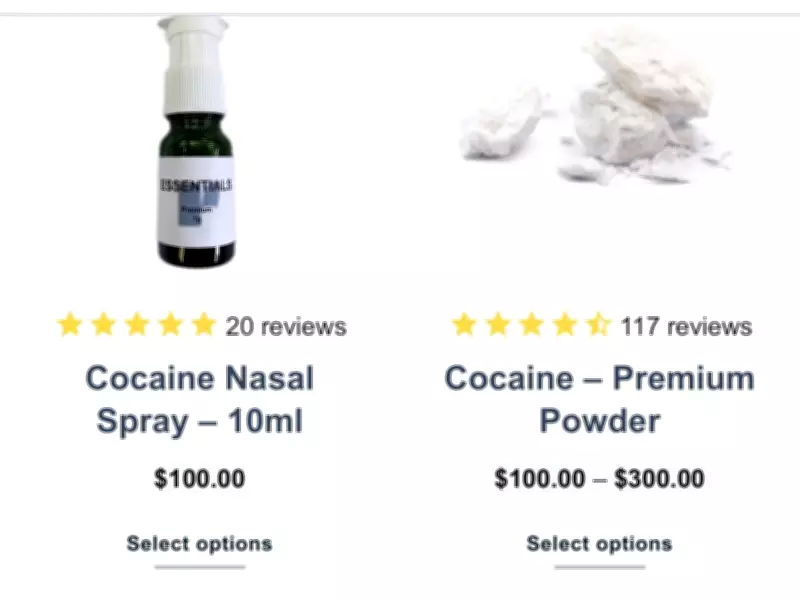
Fast forward to today, and the landscape has grown even more brazen. Sellers are no longer hiding behind euphemisms; they are directly advertising cocaine, heroin, and other controlled substances. Many of these ads are cleverly disguised as health-care or wellness promotions, featuring images of white powder reminiscent of cocaine, phrases like "you'll feel it instantly," and references to an "8-ball" – slang for an eighth of an ounce of cocaine.

Automated Systems Fail to Curb Violations
Despite Meta's assurances, attempts to report these blatantly illegal ads consistently hit a wall. Facebook's automated reporting system routinely rejects complaints, insisting the ads do not violate the platform's advertising standards. This failure in enforcement has allowed a network of online retailers to thrive, with some openly operating as marketplaces for the dark web.
One such website, claiming to be based in Canada, offers not only various forms of cocaine and crack but also heroin, raw poppy heads, counterfeit money, cloned credit cards, and firearms. Handguns like the 9mm Glock 19 Gen5 are listed for sale at prices ranging from $450 to $550, while a .357 Magnum is advertised for $900. These ads often link to just a handful of retailers, with one boasting about discreet shipping via Canada Post Xpresspost and optional insurance for lost shipments.
Meta's Response: Acknowledgment Without Action
When confronted with these findings, a Meta spokesperson acknowledged that such ads violate their policies and confirmed the removal of the flagged content. However, they avoided addressing why the automated system fails to detect these violations initially. "Content that attempts to buy, sell or trade illicit drugs is not allowed on Facebook or Instagram," the spokesperson stated, adding, "This challenge is bigger than any single platform, requiring measures and collaboration across industries, communities and law enforcement to address it."
In November 2023, Meta announced new, stricter policies aimed at curbing the sale of high-risk drugs and precursor chemicals, claiming to have removed nearly four million pieces of content for policy violations. Yet, similar ads continue to appear, even as this article was being written, highlighting a significant gap between policy and practice.
The Broader Implications for Social Media Regulation
The persistence of these ads raises serious questions about the effectiveness of self-regulation by tech giants. With Bill C-63 no longer on the table, there is a regulatory vacuum that criminals are exploiting. The ads not only promote illegal activities but also undermine public safety, as seen with the inclusion of firearms and counterfeit currency in the listings.
As Meta continues to grapple with this issue, the need for robust, cross-industry collaboration and potentially stronger governmental oversight becomes increasingly apparent. Without meaningful action, Facebook risks becoming a hub for illicit trade, eroding trust in social media platforms and posing real-world dangers to communities across Canada and beyond.