Mark Zuckerberg Faces Intense Questioning in High-Stakes Social Media Trial
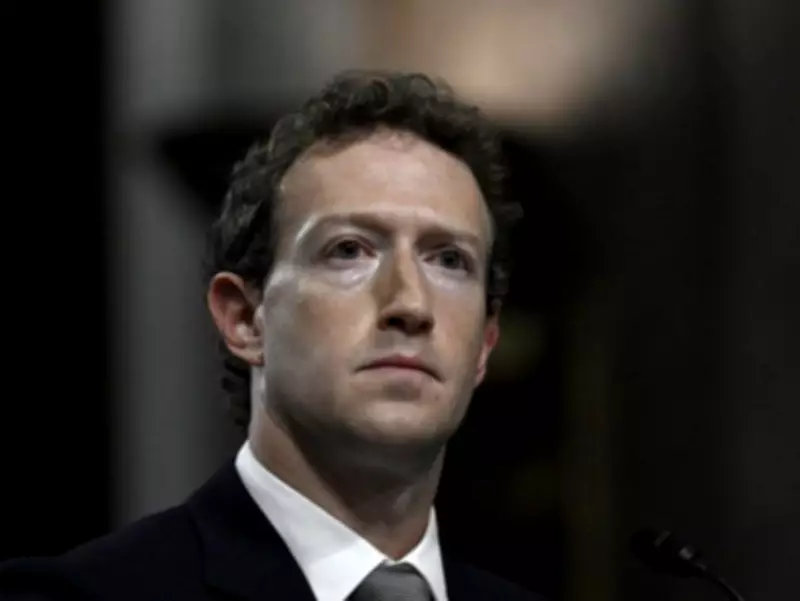
In a landmark courtroom showdown, Meta CEO Mark Zuckerberg took the stand in Los Angeles on Wednesday, facing rigorous interrogation over allegations that his company's platforms, particularly Instagram, deliberately addict and harm children. This unprecedented trial, which questions the ethical foundations of social media giants, saw Zuckerberg duel with opposing attorneys in a session that could set precedents for thousands of similar lawsuits.
Central Questions on Addiction and Responsibility
During the testimony, Zuckerberg was pressed on whether Instagram is addictive, a core issue in the case. Plaintiff's attorney Mark Lanier asked if increased usage correlates with addiction, to which Zuckerberg responded, "I'm not sure what to say to that. I don't think that applies here." The plaintiff, identified as KGM, a now 20-year-old woman, claims her early social media use led to addiction, exacerbating depression and suicidal thoughts. Meta and Google's YouTube remain as defendants, following settlements by TikTok and Snap.
Lanier framed the debate around corporate responsibility, presenting three options for dealing with vulnerable individuals: helping them, ignoring them, or preying upon them. Zuckerberg asserted that a reasonable company should aim to help users, stating, "I think a reasonable company should try to help the people that use its services." However, when questioned about compensation for victims, he pushed back, saying, "I disagree with the characterization of your question."

Contradictions and Media Training Scrutiny
The attorney highlighted internal documents that appeared to contradict Zuckerberg's past congressional testimony, where he denied that Instagram employees had goals to increase user time on the platform. Zuckerberg acknowledged previous time-based goals but explained that Meta consciously shifted focus to utility, emphasizing that valuable services naturally attract more usage. He defended this stance by saying, "I believe in the basic assumption that if something is valuable, people will use it more because it's useful to them."
Lanier also delved into Zuckerberg's media training, citing internal advice urging him to appear "authentic, direct, human, insightful and real" while avoiding a "robotic, corporate or cheesy" demeanor. Zuckerberg dismissed the notion of extensive coaching, attributing such feedback to mere suggestions and humorously noting, "I think I'm actually well known to be sort of bad at this." This reference alluded to past public appearances where he was criticized for seeming nervous or overly formal.
Age Verification Policies and Broader Implications
A significant portion of the questioning focused on Meta's age verification policies. Zuckerberg expressed frustration during a lengthy exchange, stating, "I don't see why this is so complicated," and reiterating that the company restricts users under 13 and works to detect those who falsify their ages. Throughout the testimony, he frequently stuck to prepared talking points, often disagreeing with Lanier's characterizations of the issues.
This trial marks the first time Zuckerberg has faced a jury, with bereaved parents observing from the audience. It follows his 2024 congressional apology to families affected by social media-related tragedies, though he stopped short of accepting direct responsibility. As a bellwether case, the outcome could influence thousands of similar lawsuits against social media companies, shaping future regulations and corporate accountability.
Meta's Defense and Ongoing Legal Battles
Meta spokesperson has strongly denied the allegations, expressing confidence that evidence will demonstrate the company's commitment to youth safety. Attorney Paul Schmidt, representing Meta, argued in his opening statement that while KGM experienced mental health struggles, Instagram was not a substantial factor, pointing instead to a turbulent home life. He suggested she used social media as a coping mechanism.

Zuckerberg's testimony comes after Instagram head Adam Mosseri testified, denying that social media can be clinically addictive and emphasizing efforts to protect young users. Lanier is expected to further probe issues like cosmetic filters, algorithms, and infinite feeds, which plaintiffs claim are designed to hook users. Additionally, Meta faces a separate trial in New Mexico, underscoring the escalating legal challenges confronting the tech giant.
This high-profile case highlights growing scrutiny over social media's impact on mental health, particularly among youth, and could redefine industry standards for safety and transparency.