Europe's Ariane 64 Rocket Nears Historic Maiden Launch
The European space industry is holding its breath as the countdown begins for the inaugural flight of the Ariane 64, heralded as Europe's most powerful rocket. This landmark event represents a critical step for the continent's autonomous access to space and its competitive stance in the global launch market.
Final Preparations Underway at Vernon Facility
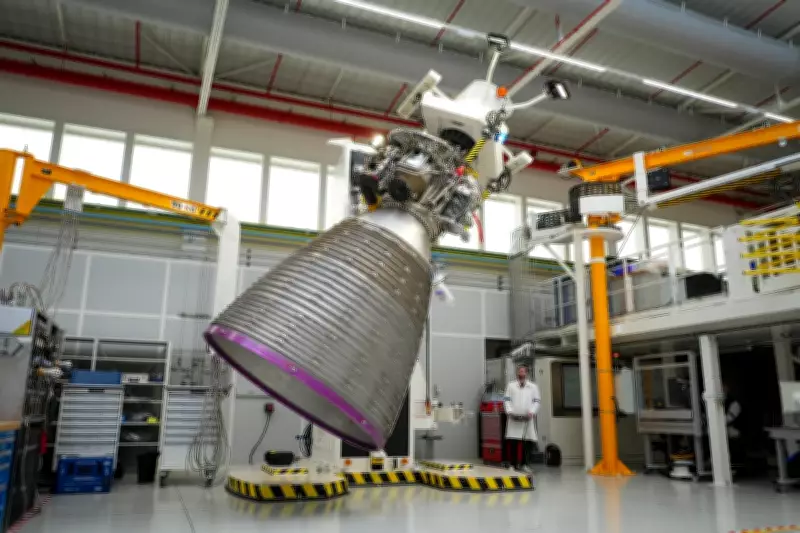
Recent images from the ArianeGroup plant in Vernon, located west of Paris, showcase technicians performing meticulous final checks on the rocket's core components. A key focus is the Vulcain 2.1 engine, the powerful heart of the Ariane 64's first stage, which underwent rigorous testing and assembly in the lead-up to the launch window.
The atmosphere at the facility is reportedly a mix of intense focus and palpable emotion, as years of design, engineering, and manufacturing efforts culminate in this single mission. The development of the Ariane 64 is seen as a direct response to the need for reliable, heavy-lift capability from European soil, reducing dependency on foreign launch providers.

Technical Specifications and Mission Significance
The Ariane 64 is a four-booster variant of the Ariane 6 family, designed to deliver significant payloads to a variety of orbits. Its enhanced capacity is crucial for deploying large satellites, including those for Galileo navigation, Earth observation, and scientific exploration.
- Enhanced Payload Capacity: The rocket is engineered to carry heavier and more complex satellites than its predecessors.
- Modular Design: The Ariane 6 platform allows for configurations like the Ariane 62 (two boosters) and Ariane 64, offering flexibility for different mission profiles.
- Competitive Positioning: A successful maiden launch is vital for securing future commercial and institutional contracts in a fiercely competitive global market.
This launch is not merely a technical demonstration; it is a strategic endeavor for the European Space Agency (ESA) and its industrial partners. It underscores a commitment to maintaining and advancing Europe's sovereign capabilities in space transportation, a sector of growing economic and geopolitical importance.
The Road to Launch Pad
The journey to this launch has involved overcoming significant technical challenges and schedule pressures. The integration of the Vulcain 2.1 engine, a successor to the proven Vulcain 2 used on Ariane 5, required extensive development to meet the new rocket's performance demands.
Industry observers note that the emotional weight of the countdown reflects the high stakes involved. A successful flight would validate the new design and production processes, paving the way for a steady launch cadence. Conversely, any major anomaly could have profound implications for the program's timeline and credibility.
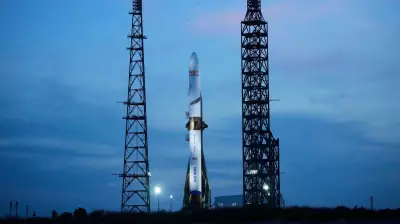
As the final checks are completed in Vernon, the rocket components will be transported to the Guiana Space Centre in Kourou, French Guiana, Europe's spaceport. There, the vehicle will be assembled on the launch pad for its final pre-flight tests, setting the stage for a moment that will be closely watched by space agencies, satellite operators, and enthusiasts around the world.