Artemis II Crew Shatters Deep-Space Distance Record as Calgary Supporters Celebrate
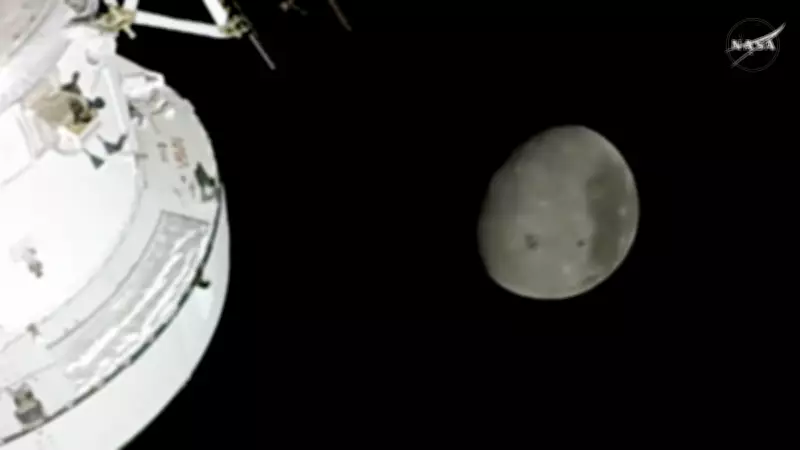
In a monumental achievement for human space exploration, the Artemis II astronauts have officially broken the record for the farthest distance ever traveled by humans from Earth. This historic milestone occurred on Monday, April 6, 2026, as confirmed by NASA through video footage showing the Moon from a camera mounted outside the Orion spacecraft. The mission has captured global attention, with particular enthusiasm radiating from Calgary, where fans gathered to cheer on the crew's groundbreaking journey.
Calgary's Enthusiastic Support for the Mission
The city of Calgary has emerged as a vibrant hub of support for the Artemis II mission, with local residents organizing viewing parties and public events to follow the astronauts' progress. This community engagement highlights the widespread fascination with space exploration and its ability to unite people across different backgrounds. A Manitoba artist even designed a special patch for one of the Artemis II astronauts, showcasing the national pride and creative contributions inspired by the mission.
Overcoming Challenges in Deep Space
While celebrating this record-breaking achievement, the Artemis II crew is also navigating a series of unique and demanding challenges during their voyage. Reports indicate that the astronauts are dealing with a broken toilet, lack of shower facilities, and other logistical issues, including managing bodily functions like flatulence in the confined spacecraft environment. These difficulties underscore the harsh realities of extended space travel and the resilience required for such missions.

Inspiring Future Generations
Canadian astronaut Jeremy Hansen, a member of the Artemis II crew, has publicly challenged future generations to build upon this achievement and break new records in space exploration. His call to action emphasizes the mission's role in paving the way for subsequent lunar and deep-space endeavors. Additionally, in a touching tribute, a lunar crater has been named after the deceased wife of the Artemis commander, adding a personal and emotional dimension to the scientific journey.
Technical and Communication Aspects
The mission involves a critical 40-minute communications blackout period as the Artemis II spacecraft rounds the Moon, a phase that requires precise planning and execution. This blackout is a standard part of lunar missions due to the spacecraft's position relative to Earth, but it remains a tense moment for both the crew and ground control. The successful navigation of this phase is essential for the mission's overall success and safety.
Broader Context and Impact
The Artemis II mission is part of NASA's larger Artemis program, which aims to return humans to the Moon and eventually send astronauts to Mars. This record-breaking distance achievement marks a significant step forward in that ambitious goal, demonstrating the capabilities of modern space technology and international collaboration. The enthusiasm from Calgary and other communities reflects a growing public interest in space science and its potential to inspire innovation and discovery.
As the Artemis II crew continues their journey, they carry with them the hopes and cheers of supporters worldwide, including those in Calgary who have embraced this historic moment with open arms. Their mission not only sets a new benchmark in space exploration but also ignites the imagination of future explorers ready to venture even farther into the cosmos.