Artemis II Crew Prepares for Dramatic Earth Return After Record-Breaking Lunar Mission
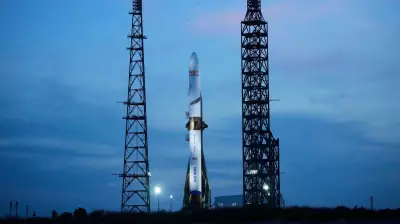
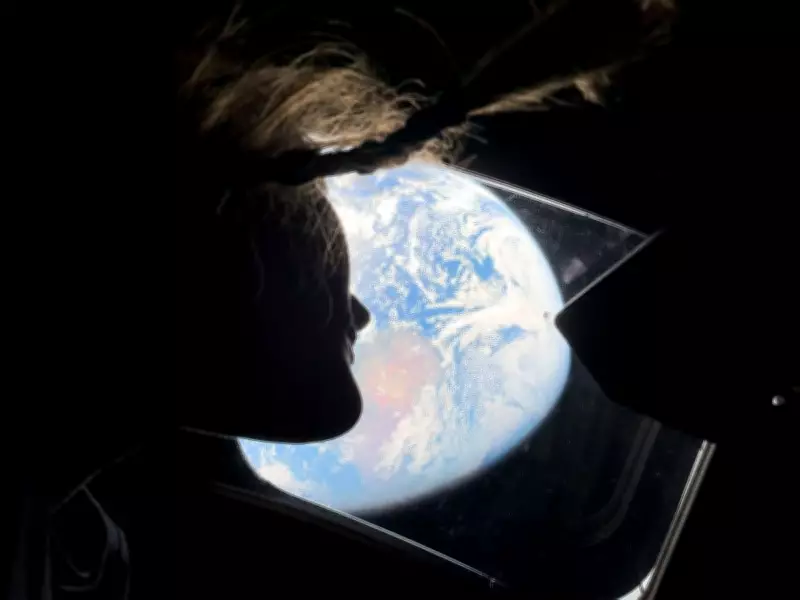
The crew of the Artemis II mission is poised for a highly anticipated return to Earth this Friday, marking the culmination of a historic 10-day journey around the moon. This mission has set a new benchmark by traveling farther into space than any human crew before, surpassing the previous record held by Apollo 13.
Historic Journey and Crew Details
The four astronauts on board include Canadian Space Agency astronaut Jeremy Hansen, alongside NASA astronauts Victor Glover, Christina Koch, and Reid Wiseman. Their expedition has not only advanced human space exploration but also captured global attention with its groundbreaking achievements.
As they approach Earth, the team is set to re-enter the atmosphere in the Orion capsule, a spacecraft roughly the size of a minivan. This critical phase will begin at 7:53 p.m. ET on Friday, with the capsule hurtling towards the Pacific Ocean off the coast of San Diego.

Splashdown Sequence and Key Events
The splashdown is scheduled for 8:07 p.m. ET, with the entire re-entry process lasting just 14 minutes. During this time, the astronauts will experience extreme conditions, entering the atmosphere at an altitude of 400,000 feet while traveling at speeds approximately 30 times the speed of sound.
Victor Glover expressed the profound nature of this experience in a recent press briefing, stating, "Riding a fireball through the atmosphere is profound, as well. I'm gonna be thinking about and talking about all of these things for the rest of my life."
Prior to re-entry, the crew has already configured the cabin for return, with a trajectory correction burn planned for 2:53 p.m. ET to ensure precise alignment. The European Service Module, which provided power during the mission, will separate about 20 minutes before re-entry begins.
Technical Challenges and Atmospheric Entry
As the capsule approaches, it will execute roll maneuvers to distance itself from the service module, ending up about 16,000 kilometers from the landing site. Artemis II flight director Rick Henfling noted, "That's when the fun really begins," referring to the intense re-entry phase.
The re-entry is expected to generate a sonic boom so powerful that it may shake windows in San Diego, according to the U.S. Geological Survey. Communication with NASA ground control will be lost for approximately six minutes during this critical period.
Once the capsule descends to 22,000 feet, drogue parachutes will deploy, slowing it to about 200 miles per hour. At 1,800 meters, three main parachutes will further reduce speed to 32 kilometers per hour before splashdown.
Recovery Operations and Post-Mission Plans
The USS John P. Murtha Navy recovery vessel will be on standby to assist with extracting the astronauts from the capsule. Immediate medical evaluations will be conducted to ensure their health and safety after the arduous journey.
Liliana Villarreal, Artemis II landing and recovery director, outlined the recovery process: "After ensuring the area is safe, they're going to go ahead and open the Orion hatch and help the astronauts from their seats to a large inflatable raft that we call the front porch."
The exit order from the capsule will be Christina Koch first, followed by Victor Glover, Jeremy Hansen, and finally Reid Wiseman. Helicopters will then transport the crew to the recovery ship within minutes of each other.
Following medical checks, the astronauts will return to the Johnson Space Center in Houston, where a news conference is scheduled for 10:30 p.m. ET to discuss the mission's outcomes and future implications for space exploration.
Live Coverage and Public Engagement
NASA will begin streaming the crew's return live at 6:30 p.m. ET, allowing audiences worldwide to witness this monumental event. The mission has not only pushed the boundaries of human achievement but also inspired a new generation of space enthusiasts.
As the Artemis II crew prepares for their dramatic homecoming, their journey serves as a testament to international collaboration and technological advancement in the quest to explore beyond our planet.