How Canada Secured a Moon Mission Seat Through a Billion-Dollar Robot Arm Deal
When Jeremy Hansen, then 33, was selected as a Canadian astronaut in 2009, the future of human space exploration appeared grim. The space shuttle, the sole vehicle that had transported Canadians to space, was nearing retirement, with NASA lacking clear replacement plans. The International Space Station was approaching its budgeted 15-year lifespan, and SpaceX was merely an obscure startup struggling with early failures. Hansen faced the real possibility of becoming the first Canadian astronaut never to reach space, spending years in training, ceremonial duties, and public relations instead.
A Strategic Exchange: Robot Arm for Lunar Access
The turning point arrived with U.S. President Donald Trump's Space Policy Directive-1 in 2017, which prioritized returning humans to the moon. While initially focused on American leadership, Canada quietly entered the equation through the Gateway Treaty in late 2020. This agreement stipulated that in exchange for a Canadian seat on the next crewed moon mission, Canada would construct the robot arm for NASA's Lunar Gateway, a planned space station orbiting the moon.
This arm, known as Canadarm3, represents the third iteration of Canada's robotic contributions, following those for the space shuttle and International Space Station. The deal came with a hefty price tag: preliminary design costs of $268.9 million and a final build contract of $999.8 million announced in June 2024. Compared to the Artemis II mission's total cost of approximately US$4 billion, Canada's investment equates to roughly one-quarter of the expense for a four-person lunar journey.

Timing and Political Context
The Gateway Treaty was formalized during a unique political moment, as Trump had just lost the 2020 election and was contesting the results. Consequently, the agreement received minimal attention in the U.S. press and marked one of the final actions of Trump-appointed NASA administrator Jim Bridenstine before his resignation in favor of Joe Biden's appointee, Bill Nelson. This timing allowed the deal to proceed with little scrutiny, securing Hansen's opportunity despite earlier uncertainties.
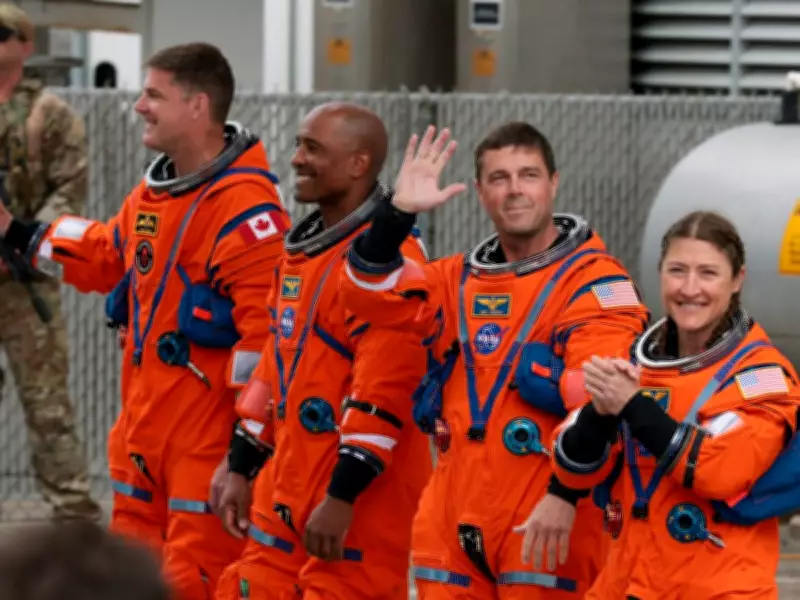
Hansen, who had patiently awaited his chance while serving roles like CAPCOM and conducting public outreach, now finds himself on the Artemis II crew alongside mission specialists like Christina Koch and pilots such as Victor Glover. His journey from potential obscurity to lunar exploration underscores how international partnerships and strategic trades can reshape individual careers and national contributions to space exploration.