Edmontonians Celebrate Return of Artemis II Astronauts After Historic Moon Mission
The city of Edmonton is buzzing with excitement as NASA's Artemis II astronauts have successfully returned to Earth, concluding a groundbreaking mission to the moon. This event has captured the attention of space enthusiasts across the region, highlighting a renewed interest in lunar exploration.
A Momentous Achievement in Space Exploration
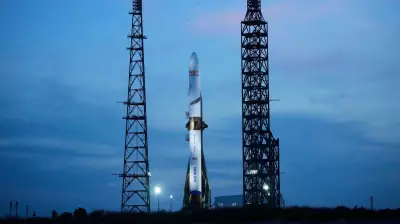
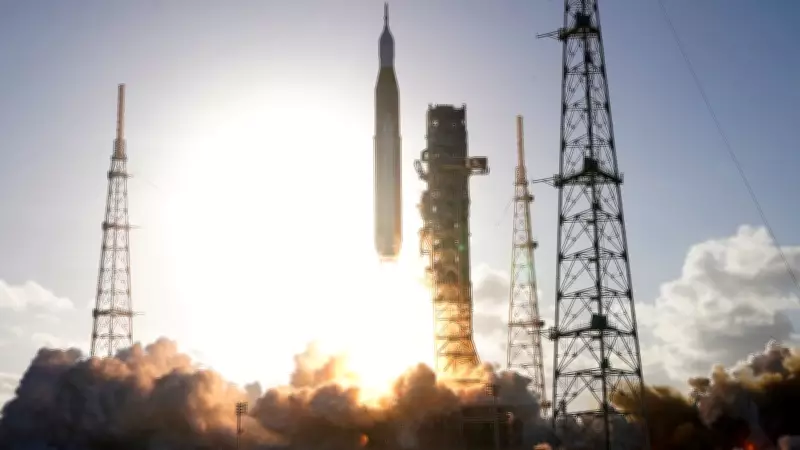
On Wednesday, April 1, 2026, the Space Launch System (SLS) rocket, carrying the Orion spacecraft, lifted off from the Kennedy Space Center in Cape Canaveral, Florida. This launch marked a critical step in NASA's Artemis program, which aims to return humans to the lunar surface and establish a sustainable presence there.
The Artemis II mission involved a crew of astronauts who orbited the moon, conducting scientific experiments and testing new technologies. Their safe return to Earth is being celebrated as a triumph of engineering and human courage, with live updates keeping the global community informed throughout the journey.

Local Enthusiasm in Edmonton
In Edmonton, residents from all walks of life have expressed their enthusiasm for the mission's success. "It's inspiring to see humanity reaching for the stars again," said one local space enthusiast. "This mission reminds us of the incredible possibilities when we invest in science and exploration."
The return of the Artemis II astronauts has sparked conversations about the future of space travel, with many Edmontonians hopeful that such missions will lead to new discoveries and technological advancements. Community groups and educational institutions are planning events to discuss the implications of this lunar mission.
Implications for Science and Technology
This mission is not just a milestone for NASA but also a significant event for the broader scientific community. Key aspects include:
- Advancements in rocket technology: The SLS rocket represents a new era in launch capabilities, designed for deep-space missions.
- Human spaceflight: The crew's experience provides valuable data on long-duration space travel, essential for future missions to Mars and beyond.
- International collaboration: Artemis II involves partnerships with other space agencies, fostering global cooperation in exploration.
Experts note that the success of Artemis II could accelerate developments in related fields, such as satellite technology, robotics, and even everyday applications derived from space research.
Looking Ahead to Future Missions
With the safe return of the Artemis II astronauts, NASA is already planning subsequent missions under the Artemis program. These include Artemis III, which aims to land astronauts on the moon, potentially by the late 2020s. The data collected from Artemis II will be crucial in ensuring the safety and success of these future endeavors.
In Edmonton, the excitement is expected to continue as residents follow these developments. Local schools and universities are incorporating the mission into their curricula, inspiring the next generation of scientists and engineers. "This is a teachable moment for our youth," remarked an educator. "It shows that with dedication and innovation, we can achieve great things."
As the world celebrates this achievement, the Artemis II mission stands as a testament to human curiosity and the relentless pursuit of knowledge. For Edmontonians, it is a source of pride and inspiration, connecting their community to the vast expanse of space exploration.