NASA's Artemis II Rocket Undergoes Pivotal Fueling Test to Chart Lunar Mission Schedule
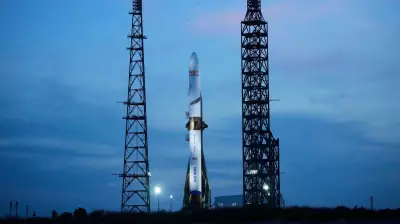
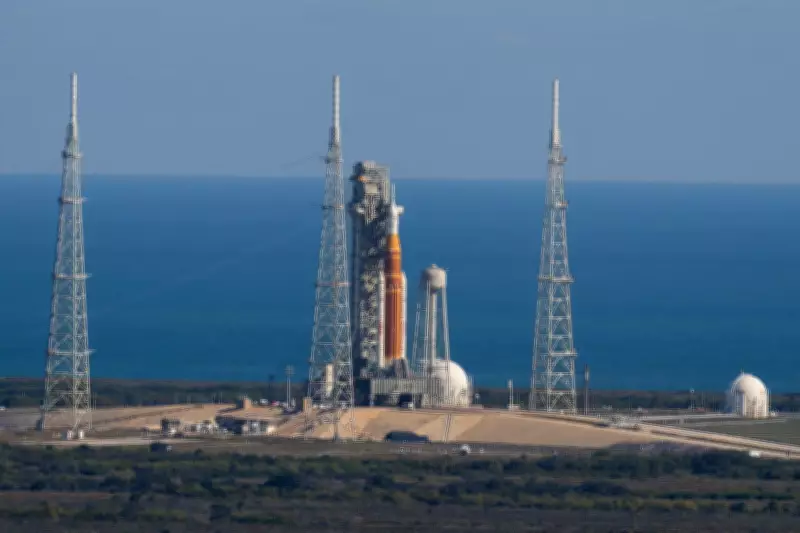
NASA has successfully executed a second crucial rocket fueling test for the Artemis II mission, a decisive procedure that will establish the timeline for sending astronauts back to the moon. This test represents a significant milestone in the agency's ambitious lunar exploration program, with the outcome directly influencing the launch schedule for the crewed mission.
Critical Evaluation of Space Launch System Performance
The fueling test focused on the Space Launch System (SLS) rocket, which is poised to propel the Orion spacecraft and its astronaut crew toward the moon. Conducted at NASA's Kennedy Space Center in Florida, this rigorous assessment involved loading the rocket with cryogenic propellants—liquid hydrogen and liquid oxygen—to verify system integrity and operational readiness under simulated launch conditions.
Data gathered from this test will be meticulously analyzed to identify any potential issues that could impact the mission's safety and success. Engineers are particularly scrutinizing the performance of valves, seals, and fueling interfaces to ensure they function flawlessly during the actual launch sequence.

Artemis II: A Prelude to Sustained Lunar Presence
Artemis II is designed as a crewed test flight that will orbit the moon without landing, serving as a vital precursor to the Artemis III mission, which aims to return humans to the lunar surface. The success of this fueling test is paramount, as it validates the rocket's ability to safely transport astronauts through the demanding phases of ascent and space transit.
This mission marks the first time astronauts will travel aboard the SLS rocket and Orion spacecraft, making thorough testing imperative for crew safety. The test outcomes will inform final adjustments and certifications required before committing to a firm launch date.
Overcoming Technical Hurdles for Mission Assurance
Previous tests and missions have highlighted the complexities of rocket fueling operations, with issues such as leaks or temperature fluctuations posing risks to launch timelines. NASA's approach with this second test emphasizes redundancy and precision, aiming to mitigate these challenges through enhanced monitoring and control systems.
The agency has implemented lessons learned from earlier Artemis missions, including Artemis I, which was an uncrewed test flight. These insights have been integrated into the fueling procedures to improve reliability and efficiency, ensuring that the Artemis II mission proceeds without preventable delays.
Global Implications for Space Exploration
NASA's progress with Artemis II is closely watched by the international space community, as it underscores the United States' commitment to leading collaborative lunar exploration efforts. The mission is part of a broader strategy to establish a sustainable human presence on the moon, which could facilitate future missions to Mars and beyond.
As the agency evaluates the test results, stakeholders anticipate announcements regarding the official launch window for Artemis II. This decision will not only shape NASA's immediate plans but also influence global partnerships and the trajectory of human space exploration for decades to come.