NASA Postpones Artemis II Moon Mission Launch Following Technical Setbacks
NASA has officially announced a delay in the launch of its highly anticipated Artemis II moon mission, pushing the target date from February to March 2026. The decision comes after a crucial test revealed multiple technical issues, including a significant liquid hydrogen leak that was discovered midday Monday during propellant loading operations.
Technical Challenges Force Schedule Revision
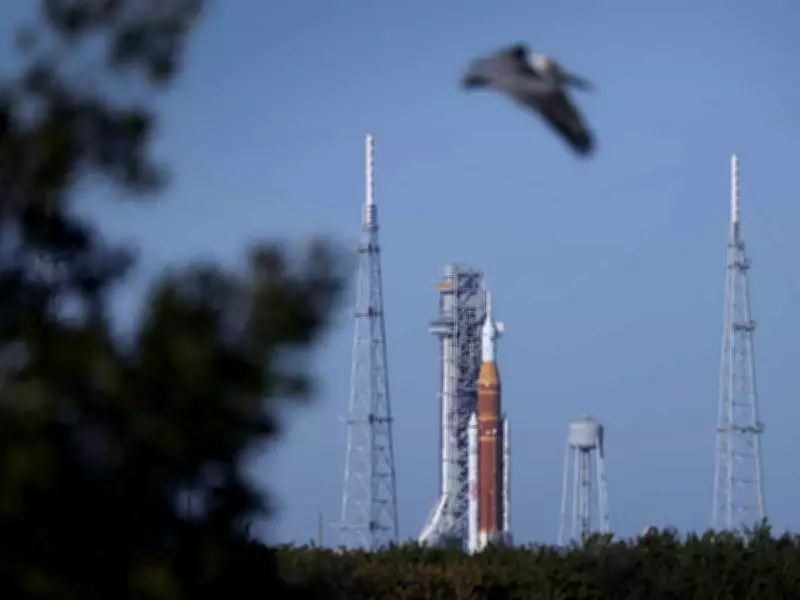
The space agency had initially scheduled the Artemis II launch for February 8 from the Kennedy Space Center in Florida. However, during what NASA described as a "wet dress rehearsal" - a critical pre-launch test - engineers encountered several problems that necessitated the postponement. The most significant issue was a leak of liquid hydrogen propellant, which required several hours of troubleshooting by the technical team.
Additional complications included problems with a valve on the vessel, audio communication failures with the ground crew, and "closeout operations" taking longer than originally planned. These combined issues put the testing schedule significantly behind, prompting NASA to delay the launch to allow for comprehensive review and resolution of all technical concerns.

Mission Details and Canadian Involvement
Artemis II represents a landmark mission that will send four astronauts on a 10-day journey around the moon, marking humanity's return to lunar exploration after decades. The crew includes Canadian Space Agency astronaut Jeremy Hansen alongside three American astronauts. This mission will test the Orion capsule's life support systems and other critical components as the spacecraft travels past the moon, around its far side, and returns directly to Earth.
Important to note: The Artemis II crew will not enter lunar orbit or attempt to land on the moon's surface. Instead, this mission serves as a crucial test flight for future lunar exploration efforts under NASA's Artemis program, which aims to establish a sustained human presence on the moon.
Astronaut Preparations and Timeline Adjustments
The four astronauts assigned to the mission had been monitoring the critical dress rehearsal from approximately 1,600 kilometres away at the Johnson Space Center in Houston. Following the launch delay announcement, NASA confirmed that the astronauts will be released from their nearly two-week quarantine period and will re-enter quarantine approximately two weeks before the new launch window opens in March.
NASA has not specified an exact launch date within March, noting that teams need to "fully review data from the test, mitigate each issue, and return to testing" before establishing a new target. The space agency faces narrow launch windows each month due to orbital mechanics and other factors, with extreme cold conditions already having shortened February's available launch period by two days.
Historical Context and Future Implications
This mission represents NASA's first crewed lunar mission since the Apollo program of the 1960s and 1970s. The Artemis program, named after Apollo's twin sister in Greek mythology, aims to return humans to the moon with more advanced technology and sustainable infrastructure. The success of Artemis II will pave the way for future missions that could include lunar landings and the establishment of permanent research facilities on the moon's surface.
The delay, while disappointing to space enthusiasts worldwide, reflects NASA's commitment to safety and thorough testing protocols. As space exploration enters a new era of international cooperation and technological advancement, such careful preparations remain essential for mission success and crew safety.