NASA's Artemis II Mission: Charting the Course for Lunar Return
NASA is gearing up for the highly anticipated Artemis II mission, a pivotal step in humanity's return to the Moon. This crewed expedition will test critical systems and pave the way for future lunar landings, with a Canadian astronaut playing a key role in communications.
Mission Timeline and Key Phases
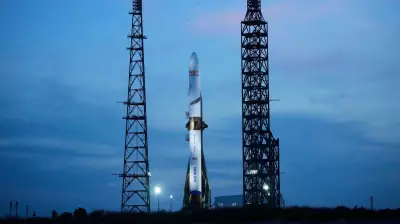
The Artemis II mission will unfold over approximately 10 days, following a meticulously planned sequence. It begins with the launch of the Space Launch System (SLS) rocket from Kennedy Space Center in Florida, carrying the Orion spacecraft into Earth's orbit. After initial checks, Orion will perform a translunar injection burn to set course for the Moon.
Once en route, the spacecraft will enter a distant retrograde orbit around the Moon, allowing the crew to conduct experiments and assess systems in deep space. This orbit, far from the lunar surface, minimizes fuel use while providing a stable environment for testing. The mission will culminate with a return journey, re-entering Earth's atmosphere at high speeds before splashing down in the ocean.

Crew Preparations and International Collaboration
The Artemis II astronauts are in final training phases, simulating mission scenarios and practicing emergency procedures. A Canadian astronaut will serve as the voice link to mission control, highlighting the international partnership behind this endeavor. This role underscores Canada's contributions to space exploration and its commitment to advancing scientific knowledge.
NASA emphasizes that the crew's readiness is paramount, with rigorous health and safety protocols in place. The mission aims to demonstrate the viability of long-duration space travel, gathering data on human performance and spacecraft reliability.
Technological Innovations and Future Implications
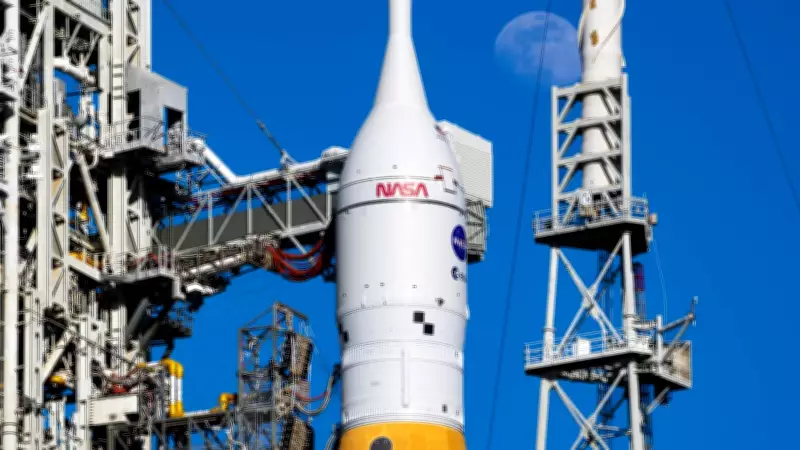
Artemis II leverages cutting-edge technology, including the SLS rocket—the most powerful ever built—and the Orion capsule, designed for deep-space missions. Key objectives include testing life support systems, navigation tools, and communication networks in the harsh environment of space.
Success in this mission will set the stage for Artemis III, which plans to land astronauts on the lunar surface. It also supports broader goals, such as establishing a sustainable presence on the Moon and eventually enabling missions to Mars. NASA officials describe Artemis II as a critical milestone in expanding human exploration beyond Earth.
As launch approaches, global attention focuses on this historic venture, which promises to inspire new generations and advance our understanding of the cosmos.