Astronauts' Celestial Perspective Offers Hope for Divided World
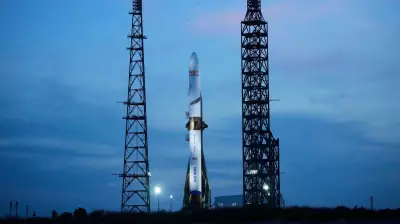
The recent nine-day Artemis II mission around the Moon arrived at a crucial moment for our fractured global community. This extraordinary space journey accomplished something desperately needed in today's climate of conflict—it provided genuine hope for alternatives to missiles, bombs, destruction, and death that dominate our terrestrial headlines.
A Welcome Respite from Earthly Discord
While cynics might typically dismiss the optimistic dialogue from space explorers, the Artemis II crew's messages of love and peace offered a refreshing contrast to the vulgar, derisive warmongering prevalent on our planet. Their communications served as a powerful reminder that we all inhabit the same fragile celestial body, affected collectively by every action we take.
For those nine remarkable days, millions watched in awe as articulate astronauts spoke profound truths from their unique vantage point. Their words seemed directed toward those in power, emphasizing the shared reality that connects all humanity despite our terrestrial divisions.

Historical Parallels and Contemporary Relevance
The historical context cannot be ignored when considering messages of peace from space. Neville Chamberlain's 1938 promise of peace through appeasement ultimately proved tragically insufficient against Hitler's ambitions. Today's would-be tyrants might dismiss encouraging words from orbit, but for ordinary citizens lacking control over global consequences and political power, these messages offer something precious to grasp.
From Space Race Beginnings to Modern Exploration
For those who witnessed the dawn of space exploration, memories flood back of earlier milestones. The exhilaration of Neil Armstrong's first lunar steps on July 20, 1969, created lasting impressions that contrast with this year's globally accessible Artemis mission. Unlike the secretive Sputnik launch of October 4, 1957, which captivated a twelve-year-old watching a rabbit-eared television, today's space missions unfold as shared human experiences accessible to anyone with electronic devices.
This represents a fundamental shift in how humanity engages with space exploration. The early space race demonstrated that science fiction writers weren't merely imagining futures but predicting realities that would soon materialize. When Buzz Aldrin followed Armstrong onto the lunar surface, humanity briefly maintained its fascination with cosmic frontiers before attention waned toward nearer orbital projects.
Tragedy and Renewed Purpose
The Challenger disaster on January 28, 1986, marked a somber turning point that remains vivid in collective memory. The sudden silence that spread through a Hawaiian restaurant as news traveled from table to table created an atmosphere where "all the air had been sucked from the room." Such tragedies temporarily halted but ultimately deepened our commitment to space exploration.
The Artemis II mission represents both continuity with this history and a new chapter in how space exploration can unite humanity. By offering perspectives that transcend national borders and earthly conflicts, astronauts provide what our divided world desperately needs—reminders of our shared existence on a fragile planet and the possibilities for cooperation that extend beyond terrestrial limitations.