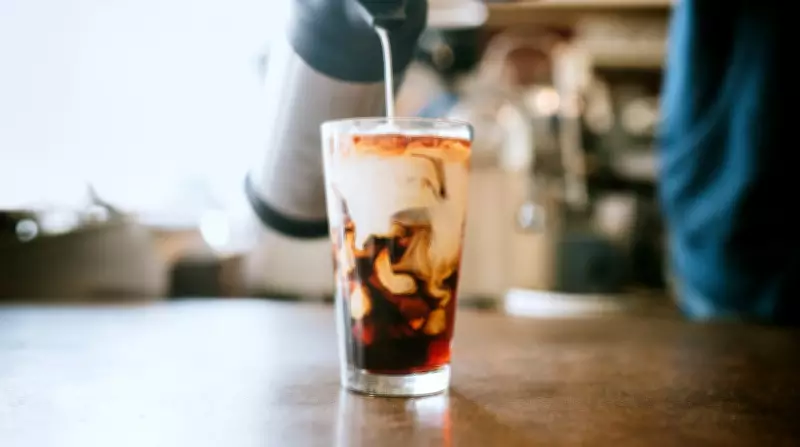
When you crave a quick iced coffee, you might brew your favorite roast, pour it over ice, add milk or sweetener, and call it done. While this no-frills method works, professional baristas say you can improve your technique for a balanced brew. Here are the mistakes you are making and what to do instead.
1. You Are Using Too Much Water
Ice inevitably melts, diluting your drink and making it weak or watery, explains Kathleen McCarthy, a corporate trainer at Lavazza. To counter this, brew with a stronger coffee-to-water ratio. The standard is 1 gram of coffee to 16 grams of water, but for iced coffee, use a ratio of 1:12 or even a double-strength 1:8. This ensures your beverage remains flavorful even as the ice melts. Also, avoid using too little water during brewing, which can produce a sour cup.
2. You Are Pouring Hot Coffee Over Ice
Pouring hot coffee directly over ice adds extra water when the ice melts, weakening the drink. Instead, chill your coffee in the fridge before pouring it over ice. If you cannot wait, use coffee ice cubes: fill an ice cube tray with coffee and freeze. This keeps your drink cold without dilution. The exception is the flash brew method, favored by baristas like Laila Ghambari, the 2014 United States Barista Champion. Brew with less hot water—for example, use two-thirds of the usual water—then replace the remaining third with ice. Brew directly into a glass filled with ice or add ice later. This method locks in aromatics and results in more flavorful coffee without dilution. Adjust your ratio to 1 gram coffee to 12 grams water to 4 grams ice.

3. You Are Storing Your Brewed Coffee Wrong
Do not leave coffee in an open container in the fridge, as it will absorb odors from other foods, warns Ghambari. Even fish smells can permeate your coffee. Instead, store brewed coffee in a sealed vessel, and avoid leaving it on the counter, where mold can develop quickly.
4. You Are Leaving Coffee in the Fridge Too Long
Use brewed coffee soon after it cools. The longer it sits, the more stale and rancid the flavors become, says McCarthy. Fresh coffee has the most intense aromatics, which enhance taste. If you want to prep ahead, try cold brew, which oxidizes slowly and can be stored for one to two weeks without significant flavor change.
5. You Are Using the Wrong Brew Method for Your Flavor Preferences
Different brewing methods bring out different flavors. Pour-over yields clear, light coffee ideal for lighter roasts and fruity, acidic notes—great for black iced coffee. Wet the filter first to remove paper taste, advises Yoshawn Smith, the 2023 Barista League Champion. French press produces full-bodied coffee that pairs well with dark roasts and chocolatey flavors, perfect with milk and ice.
The Bottom Line
Use coffee by the roast date, brew with filtered water, and stay focused on your technique. Make one change at a time to see what improves your cup. Treat it like a science project and take notes. Enjoy your perfect iced coffee without stress. As Smith says, taste is subjective, so experiment and find your ideal method.
For easy iced coffee, consider tools like a mason jar brewer, stainless steel cold brew maker, single-serve iced coffee maker, electric cold brew maker, or a Keurig iced coffee maker. These can simplify the process and deliver consistent results.