Cargill Officially Opens Major Canola Crushing Facility in Regina
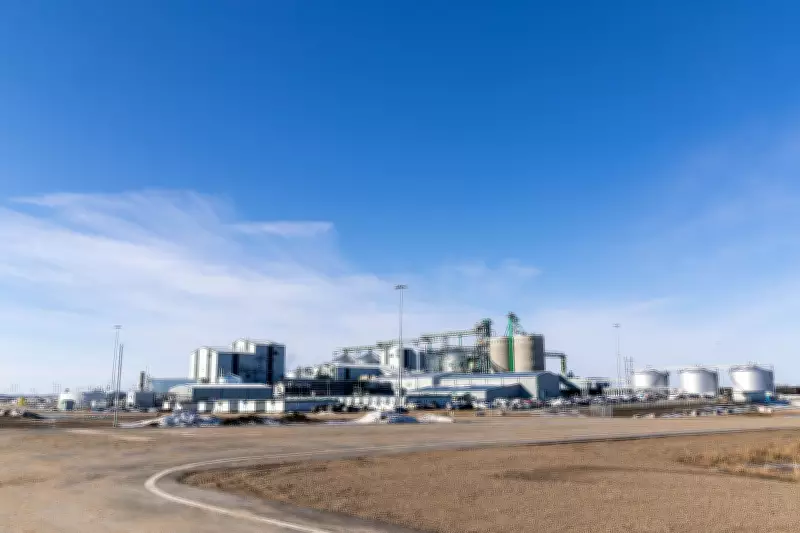
Cargill, the global agricultural giant, has announced the official opening of its new canola crush plant near Regina, Saskatchewan, on Tuesday, April 21, 2026. This milestone event represents a substantial investment in the region's agricultural infrastructure and is expected to have far-reaching economic impacts.
A Strategic Boost for Saskatchewan's Agricultural Sector
The newly operational facility is poised to enhance canola processing capabilities in the province, which is a leading producer of this valuable oilseed crop. Canola is a cornerstone of Saskatchewan's economy, and this plant will help meet growing global demand for canola oil and meal. The opening underscores Cargill's commitment to supporting local farmers and strengthening the agricultural supply chain.
Economic and Employment Benefits

The plant is anticipated to create numerous jobs in the Regina area, from construction and operations to logistics and support services. This development aligns with broader efforts to boost economic activity in Saskatchewan, particularly in rural and agricultural communities. By processing canola locally, the facility reduces the need for transportation to distant processing centers, potentially lowering costs and environmental impacts.
Technological Advancements and Sustainability Focus
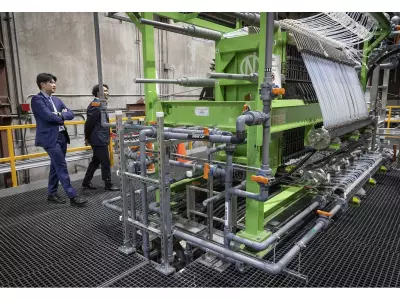
Cargill has emphasized that the Regina plant incorporates advanced technologies to improve efficiency and sustainability. This includes innovations in energy use and waste management, aiming to minimize the environmental footprint of canola crushing operations. The company's focus on sustainability reflects increasing industry trends toward greener agricultural practices.
Industry experts note that such investments are crucial for maintaining Canada's competitive edge in global agricultural markets. The canola sector faces challenges from climate change and trade dynamics, making local processing infrastructure more important than ever.
Broader Context and Future Outlook
The opening comes at a time when agricultural sectors worldwide are adapting to shifting consumer preferences and regulatory environments. Canola oil is widely used in food products and biofuels, driving demand for efficient processing facilities. Cargill's move may inspire similar investments by other companies, further solidifying Saskatchewan's role as an agricultural hub.
Local officials and community leaders have welcomed the plant, highlighting its potential to stimulate regional growth. As operations ramp up, stakeholders will monitor its impact on canola prices, farmer incomes, and overall economic health in the area.