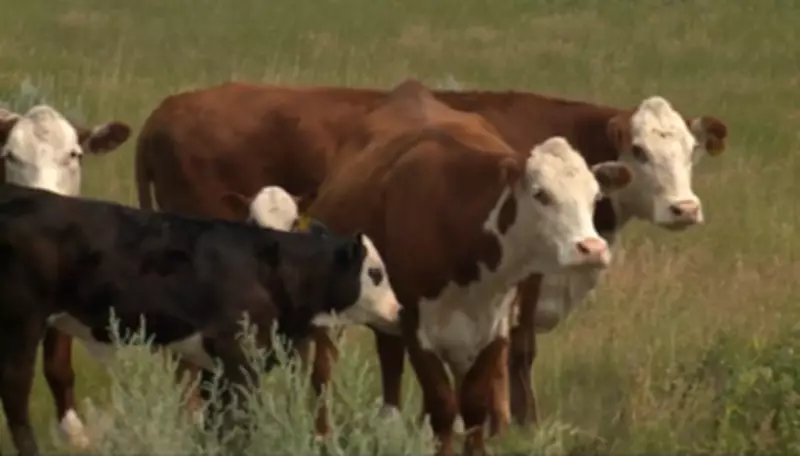
Canadian cattle ranchers are grappling with mounting financial pressures as livestock prices have surged by approximately 20% over the past year, according to recent market data. This sharp increase is reshaping the agricultural landscape, forcing many independent producers to reassess their operations amid rising costs and economic uncertainty.
Market Dynamics Drive Price Hikes
The price climb, which has been steadily accelerating over the last 12 months, is attributed to a combination of factors including supply chain disruptions, heightened feed expenses, and fluctuating demand in both domestic and international markets. Ranchers report that the cost of raising cattle has escalated significantly, with inputs such as grain, fuel, and labor becoming more expensive. This has squeezed profit margins, particularly for smaller, family-owned farms that lack the economies of scale of larger agribusinesses.
Impact on Ranchers and Local Economies
Many ranchers express concern over the sustainability of their businesses in the face of these price increases. "It's becoming harder to break even, let alone make a profit," one Alberta-based rancher noted, highlighting the strain on rural communities dependent on agriculture. The ripple effects are felt across related sectors, from meat processing to retail, as higher cattle costs eventually translate to increased prices for consumers at grocery stores.

Broader Agricultural Trends
This cattle price surge is part of a larger trend in the agricultural sector, where farmers are contending with:
- Volatile weather patterns affecting crop yields
- Rising interest rates on loans and equipment financing
- Global trade tensions impacting export opportunities
Experts suggest that without intervention or market adjustments, the situation could lead to consolidation in the industry, with smaller ranchers potentially exiting the business.
Looking Ahead: Challenges and Adaptations
As ranchers navigate this challenging environment, many are exploring adaptive strategies such as diversifying their livestock, investing in more efficient technologies, or seeking government support programs. However, the long-term outlook remains uncertain, with ongoing discussions about policy measures to stabilize the market and support agricultural resilience. The 20% price increase serves as a stark reminder of the vulnerabilities within Canada's farming sector and the need for sustainable solutions to ensure its future viability.