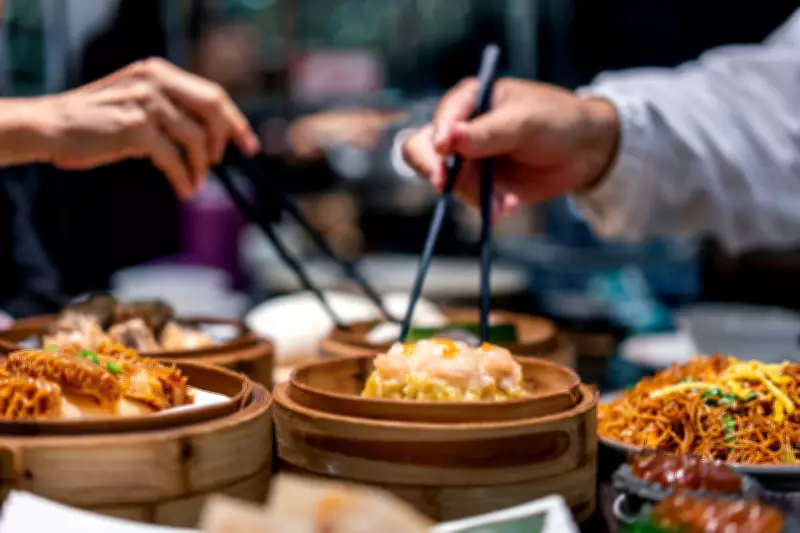
Hand-made dim sum, the small dishes that originated in southern China, is increasingly under threat from automation. As the country's food industry embraces machines, a cultural and culinary battle has emerged between traditional craftsmanship and modern efficiency.
The Rise of Automated Dumpling Production
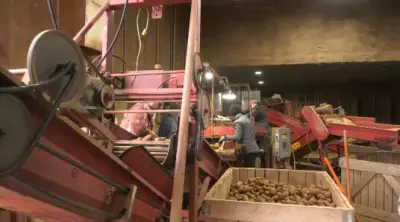
In recent years, Chinese food manufacturers have turned to automated machines to produce dumplings at a faster pace and lower cost. These machines can churn out thousands of dumplings per hour, far exceeding the output of even the most skilled human chefs. While this boosts productivity and meets growing demand, it raises concerns about the preservation of culinary heritage.
Impact on Traditional Chefs
Many traditional dim sum chefs worry that their skills, honed over decades, could become obsolete. Hand-making dumplings requires precision and artistry, from folding the wrappers to achieving the perfect texture. As machines take over, there is a risk that these techniques may be lost to future generations.

Consumer Preferences and Quality
Some consumers argue that machine-made dumplings lack the unique taste and texture of handmade ones. However, others appreciate the consistency and affordability that automation offers. This divide reflects broader tensions in China's rapidly modernizing society.
Government and Industry Response
The Chinese government has recognized the importance of preserving intangible cultural heritage, including traditional food-making techniques. Some initiatives aim to support artisan chefs and promote handmade dim sum as a premium product. Meanwhile, food companies continue to invest in automation to stay competitive.
As the debate unfolds, the future of dumplings in China may lie in a hybrid approach, where machines handle mass production while chefs focus on high-end, artisanal offerings. The outcome will shape not only the food industry but also the cultural identity of a nation.