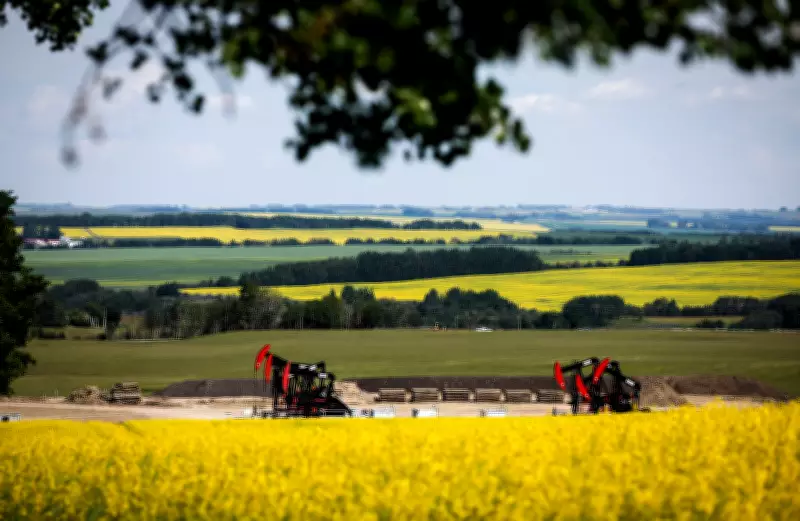
Canadian Farmers Cautiously Welcome China's Partial Canola Tariff Suspension
Canadian agricultural producers are reacting with a mix of relief and ongoing concern following China's recent decision to suspend certain tariffs on canola imports. This development marks a significant shift in a trade relationship that has been strained for years, directly impacting one of Canada's most vital export crops.
A Long-Awaited but Incomplete Resolution
The suspension, announced in early March 2026, applies to specific tariff categories but does not represent a full lifting of all trade restrictions. For many farmers across the prairies and beyond, this partial measure is seen as a positive step, yet it falls short of the comprehensive resolution they have been advocating for since the initial imposition of tariffs.
"It's a move in the right direction, but there's still a lot more work to be done," remarked one Alberta-based canola producer, echoing a sentiment shared by numerous industry stakeholders. "While any reduction in trade barriers is welcome, we need long-term stability and certainty to truly plan for the future."

Economic Impact and Farmer Sentiment
The canola industry is a cornerstone of Canadian agriculture, contributing billions annually to the national economy. The previous tariff regime imposed by China had created significant market volatility, forcing many producers to diversify their crops or seek alternative international buyers. The partial suspension is expected to ease some immediate financial pressure, potentially leading to:
- Increased export volumes to the Chinese market.
- Modest price stabilization for canola commodities.
- Renewed, though cautious, investment in canola production infrastructure.
However, farmers emphasize that the suspension's limited scope means underlying trade tensions persist. The fear of sudden policy reversals or the imposition of new non-tariff barriers remains a palpable concern within the farming community.
Looking Ahead: Trade Relations and Market Diversification
This development occurs within a complex global trade landscape. Analysts suggest that while the tariff suspension may signal a willingness to de-escalate trade friction, it does not guarantee a return to pre-dispute export levels. Canadian agricultural officials and trade representatives are likely to continue diplomatic efforts to secure a more permanent and favorable agreement.
Simultaneously, the experience has underscored for many producers the critical importance of market diversification. "Relying too heavily on any single market is a risk," noted a Saskatchewan farm operator. "This situation has pushed us to strengthen ties with other partners in Asia, Europe, and the Americas."
As the 2026 growing season approaches, Canadian canola farmers are navigating this new, uncertain terrain. The partial tariff suspension offers a glimmer of hope and a chance to recoup some losses, but the overarching message from the fields is clear: vigilance and adaptability are paramount in an ever-changing international trade environment.