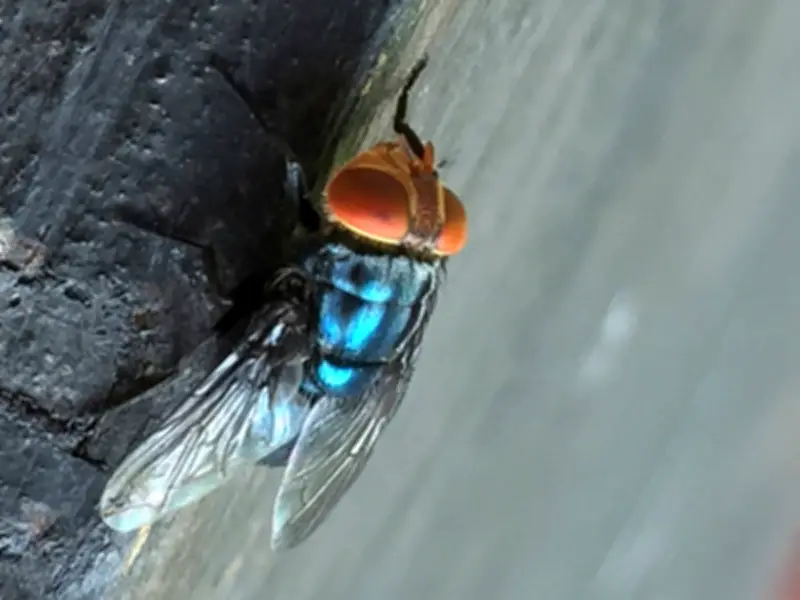
A flesh-eating cattle parasite is spreading in Texas as new far-flung screwworm cases have been found, raising concerns among livestock producers and agricultural officials. The New World screwworm, a parasitic fly larva that feeds on living tissue, has been detected in two additional locations in the state, marking a significant expansion of the infestation.
Spread of the Parasite
The screwworm, which primarily affects warm-blooded animals including cattle, sheep, and goats, burrows into wounds and feeds on flesh, causing severe pain, infection, and often death if untreated. The recent cases were identified in remote areas of Texas, far from previous outbreaks, suggesting the parasite is spreading more widely than initially thought.
Dr. Isaac Bogoch, an infectious disease expert, explained that the screwworm can be devastating to livestock populations. "This parasite can cause significant economic losses in the agricultural sector, as infected animals may need to be culled or treated extensively," he said.

Response from Authorities
State and federal agricultural agencies have ramped up surveillance and control measures. The U.S. Department of Agriculture (USDA) has implemented quarantine zones and is deploying sterile insect techniques to reduce the screwworm population. Livestock owners are urged to inspect animals regularly and report any suspicious wounds or infestations.
"We are taking this threat very seriously," said a spokesperson for the Texas Animal Health Commission. "Producers should remain vigilant and practice good biosecurity to prevent further spread."
Economic Implications
The screwworm outbreak poses a serious risk to Texas's cattle industry, which is one of the largest in the United States. Infected animals suffer from reduced weight gain, decreased milk production, and increased mortality, leading to significant financial losses. Additionally, trade restrictions may be imposed on livestock from affected areas.
Farmers are being advised to implement strict wound management and insect control measures. The USDA is providing technical assistance and resources to help contain the outbreak.
Historical Context
The New World screwworm was eradicated from the United States in the 1960s through a successful sterile insect release program. However, it has persisted in parts of Central and South America. Recent cases in Texas suggest the parasite may be re-establishing itself due to climate change, increased animal movement, or other factors.
"This is a reminder that we cannot become complacent about animal diseases," said Dr. Bogoch. "Ongoing surveillance and rapid response are critical to preventing large-scale outbreaks."