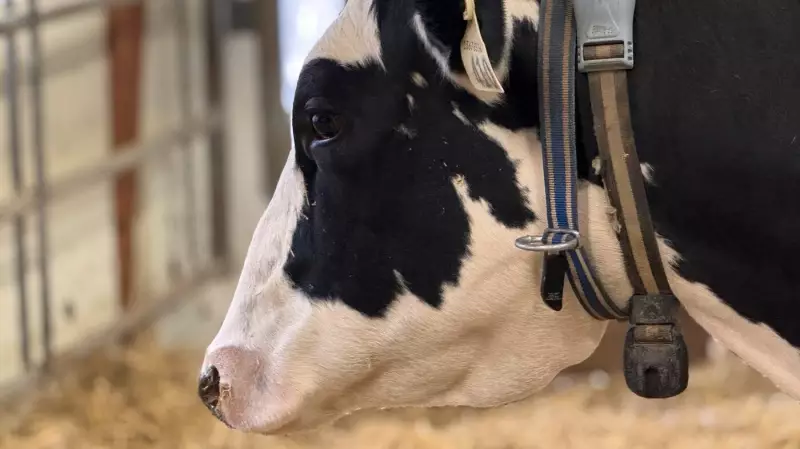
Researchers at Dalhousie University in Nova Scotia are making significant strides in a unique field of study: understanding what cows are saying. By outfitting cattle with specialized recording devices and monitors, a team is analyzing the complex vocal patterns of moos, bringing science closer to decoding bovine communication.
Listening to the Herd: Technology Meets Animal Behavior
The project, which gained public attention in early January 2026, involves fitting cows with non-invasive recording equipment. This technology captures the nuances of their vocalizations in various situations. The goal is to move beyond simply hearing a "moo" and start interpreting its meaning. Could a specific pitch indicate hunger, stress, or social interest? The Nova Scotia-based team believes they are on the path to finding out.
The research represents a fascinating intersection of animal welfare, behavioral science, and agricultural technology. By potentially understanding the emotional and physical state of cattle through their sounds, farmers could proactively address health issues, improve living conditions, and enhance overall herd management. This data-driven approach aims to create a more responsive and ethical farming environment.

Implications for Farming and Animal Welfare
The implications of successfully interpreting cow vocalizations are substantial. For the agricultural sector in Canada and beyond, this could lead to revolutionary changes. Early detection of illness through changes in vocal patterns could reduce the need for antibiotics and prevent the spread of disease within a herd. Recognizing signs of distress or discomfort could prompt immediate changes to housing, feeding, or social groupings.
This work also places Nova Scotia at the forefront of a growing global interest in animal sentience and communication. The study goes beyond anecdotal farmer knowledge, seeking to provide empirical, data-backed evidence for how cows express themselves. The team's findings, expected to be published following further analysis, could set a new standard for livestock care.
While the idea of "talking cows" might sound like science fiction, the research is grounded in rigorous methodology. The next steps involve expanding the dataset, refining the audio analysis algorithms, and correlating specific sound patterns with observed behaviors and physiological measurements. The journey to fully understand the bovine lexicon is ongoing, but Nova Scotia researchers are confident they have found a key to listening more closely than ever before.