Researchers in Nova Scotia are actively investigating the use of drones for applying pesticides in agriculture, a promising technological advancement that must navigate Canada's strict federal regulatory framework.
Dalhousie University Leads Agricultural Innovation
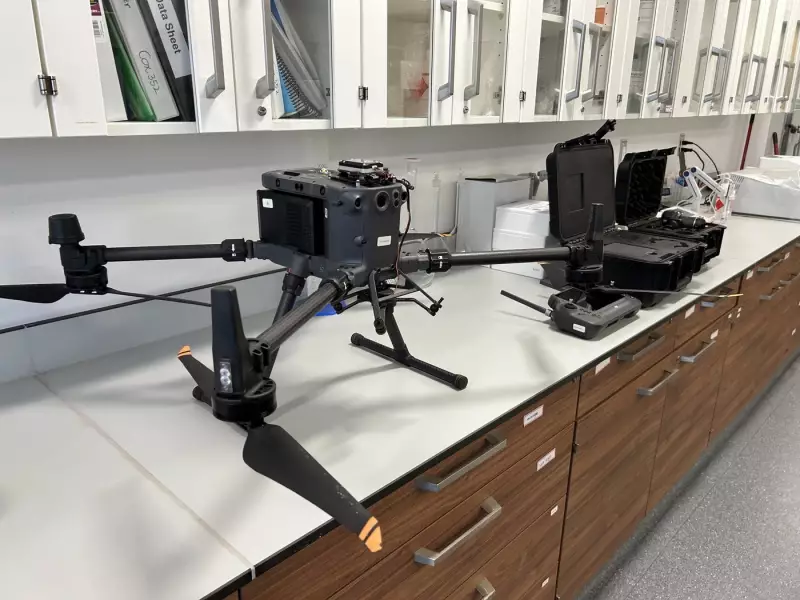
The research is centered at the Dalhousie University agricultural campus in Truro, N.S. A surveyor drone was photographed on site on December 17, 2025, highlighting the hands-on nature of this investigative work. The project aims to assess the viability, efficiency, and potential benefits of using unmanned aerial vehicles (UAVs) for crop spraying, a method that could offer precision and reduce manual labour.
Federal Regulations Present a Significant Hurdle
Despite the promising local research initiative, the path to widespread adoption is complicated by Ottawa's stringent regulations governing drone operations. Transport Canada enforces strict rules for flying drones, especially for commercial purposes like agriculture, which include pilot certification, operational limitations, and specific approvals for activities like spraying substances.

These federal rules are designed to ensure public safety, security, and environmental protection but can pose a significant challenge for farmers and researchers seeking to implement new technologies quickly. The Nova Scotia study must therefore operate within these confines, testing the technology's potential while adhering to national standards.
Balancing Innovation with Safety and Oversight
The research underscores a common tension in agricultural technology: the drive for innovation versus the need for rigorous oversight. Proponents argue that drone spraying can lead to more targeted application, potentially reducing chemical usage and minimizing environmental impact. It can also access difficult terrain and reduce human exposure to chemicals.
However, regulators in Ottawa are tasked with mitigating risks such as aerial hazards, chemical drift, and privacy concerns. The outcome of studies like the one at Dalhousie will be crucial in providing the data needed to inform future policy decisions, potentially leading to updated regulations that safely enable technological progress in Canadian farming.
As of January 10, 2026, this research represents a forward-looking step for Nova Scotia's agricultural sector, positioning it at the intersection of farming tradition and high-tech innovation, all under the watchful eye of federal law.