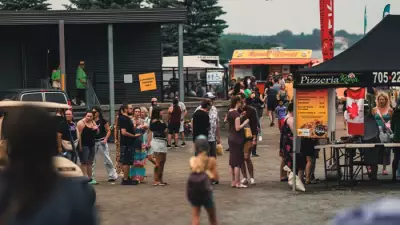
Agricultural producers from across Saskatchewan gathered at the Crop Production Show in Saskatoon on Tuesday, January 13, 2026, with one pressing issue dominating conversations: the looming threat of new international trade tariffs. The event, a cornerstone for the province's farming community, became a forum for shared anxiety over market access and economic stability.
Farmers Confront Economic Uncertainty
The concerns were voiced against a backdrop of significant political rhetoric from south of the border. Earlier the same day, former U.S. President Donald Trump made headlines by calling the Canada-United States-Mexico Agreement (CUSMA) "irrelevant" and stating, "We don't need cars made in Canada." This comment, reported widely, sent ripples of apprehension through export-dependent sectors, particularly agriculture.
Saskatchewan's producers, who rely heavily on open trade for commodities like canola, wheat, and pulses, fear being collateral damage in broader trade disputes. The timing of Trump's remarks, coinciding with the major agricultural exhibition, amplified the sense of urgency among attendees. Many farmers at the show cited the previous trade disruptions during the late 2010s as a cautionary tale they are desperate to avoid repeating.

Political Response and Industry Advocacy
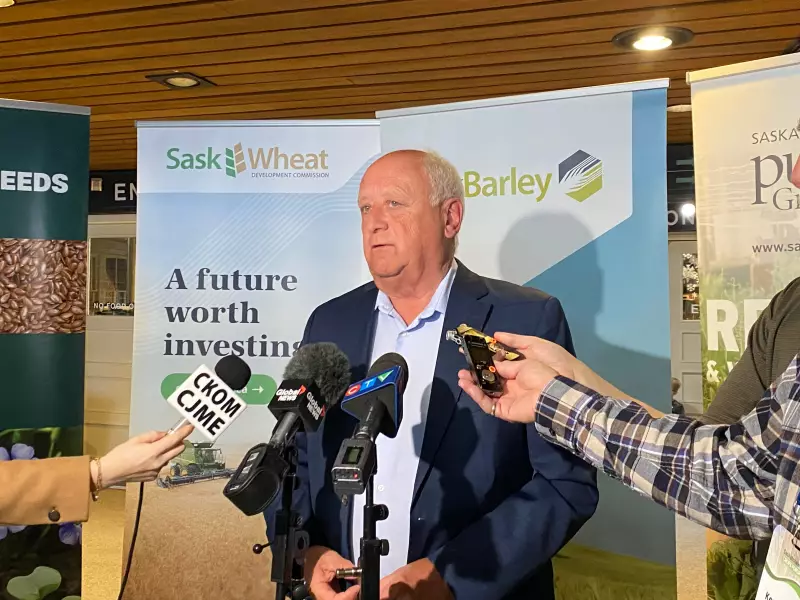
Provincial officials were present to hear these concerns firsthand. Saskatchewan's Minister of Agriculture, David Marit, addressed reporters at the Western Development Museum, the show's venue. While the full content of his remarks was not detailed in the initial report, his presence underscored the political importance of the issue.
The industry's primary worry is that tariffs, or the threat thereof, could instantly erase thin profit margins and close vital export channels. With the Crop Production Show serving as the year's key networking and innovation hub, the business discussions were unavoidably tinged with geopolitical risk assessment. Producers emphasized the need for proactive advocacy and government support to safeguard their interests.
Looking Beyond the Show Floor
The situation places immense pressure on both federal and provincial trade negotiators to defend Canada's agricultural exports. The events of January 13 highlight a critical challenge for Saskatchewan's economy: navigating an unpredictable international trade environment while supporting its primary industry.
The concerns shared in Saskatoon are not isolated. They reflect a broader national unease about trade relations and economic sovereignty. The outcome of this ongoing dialogue between producers and policymakers will significantly impact the financial health of rural communities across the Prairies in the coming years.