A British Columbia agricultural tribunal has upheld a significant financial penalty against an Edgewood ostrich farm for failing to comply with critical animal health reporting regulations. The decision reinforces the importance of biosecurity protocols in Canada's farming sector.
Details of the Biosecurity Breach
The case centres on Universal Ostrich Farms, located in Edgewood, B.C. The farm was issued a $10,000 administrative penalty for neglecting to report sick birds to provincial authorities as required by law. The tribunal's ruling, delivered on January 16, 2026, confirmed the validity of the fine after reviewing the farm's appeal.
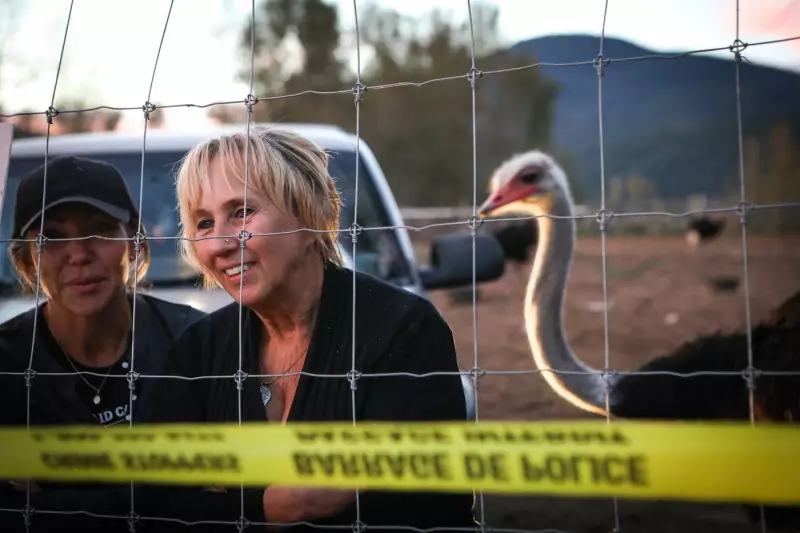
Karen Espersen, the co-owner of the farm, was pictured at the property with her daughter, Katie Pasitney, and supporters in September 2025 as the case progressed. The specific nature of the illness and the number of birds affected were central to the tribunal's proceedings, highlighting a lapse in mandatory disease reporting designed to protect livestock populations.

The Tribunal's Decision and Rationale
The tribunal found that the farm's actions constituted a clear violation of provincial animal health regulations. These rules are fundamental to early disease detection and containment, preventing potential outbreaks that could devastate local and national poultry and exotic bird industries.
By upholding the fine, the panel sent a strong message about the non-negotiable nature of these reporting requirements. The decision underscores that all livestock operators, including those with non-traditional species like ostriches, bear equal responsibility for maintaining transparent and timely communication with health inspectors.
Implications for B.C. Agriculture
This ruling serves as a stark reminder to farmers across British Columbia and Canada about their legal obligations. Failure to report notifiable diseases can lead to severe financial consequences and poses a significant risk to food security and animal welfare.
The case involving Universal Ostrich Farms establishes a precedent, emphasizing that regulatory bodies will enforce compliance to safeguard the agricultural industry's integrity. Proactive disease reporting is a cornerstone of public trust and a critical component of a resilient food production system.
As the agricultural sector continues to evolve, this decision reinforces the expectation that all producers must prioritize biosecurity and regulatory adherence to operate sustainably and responsibly.