Grocery prices in the United States increased last month at the fastest pace in three years, according to recent data. The surge is attributed to a combination of factors including former President Donald Trump's tariffs, immigration enforcement policies, and the ongoing effects of climate change.
Key Drivers of Price Increases
Experts point to several interconnected causes. Tariffs imposed during the Trump administration on imported goods have raised costs for retailers, which are passed on to consumers. Additionally, stricter deportation policies have reduced the labor force in agriculture and food processing, leading to higher production costs. Climate change has also played a role, with extreme weather events disrupting crop yields and supply chains.
Impact on Consumers
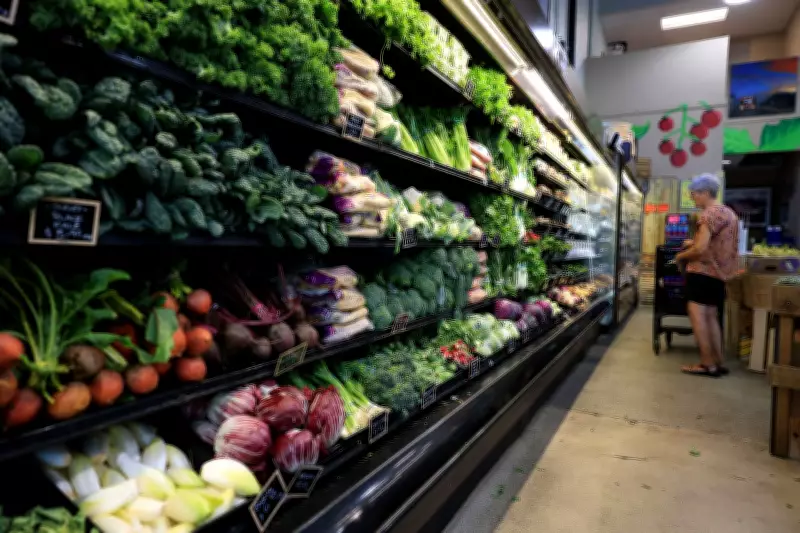
The price hike is hitting households hard, particularly those with lower incomes. Staples such as meat, dairy, and fresh produce have seen the most significant increases. Many families are forced to adjust their spending habits, opting for cheaper alternatives or reducing overall consumption.

Economists warn that the trend may continue if these underlying issues are not addressed. The combination of trade policies, labor shortages, and environmental challenges creates a complex scenario for food affordability.
Looking Ahead
Policymakers are under pressure to find solutions. Some propose easing trade restrictions, while others advocate for investments in sustainable agriculture and climate resilience. The debate highlights the intersection of economic, social, and environmental policies in shaping everyday life.