Windsor city council is set to debate a proposal to install pedestrian countdown timers at all signalized intersections across the city, with a new report pegging the cost of a citywide expansion at $22 million.
Report Details and Cost Breakdown
The report, prepared by city administration, recommends adding countdown timers to approximately 450 intersections that currently lack them. The $22 million price tag covers equipment, installation, and ongoing maintenance over the lifespan of the devices. Currently, about 100 intersections in Windsor already have countdown timers, installed as part of previous traffic signal upgrades.
According to the report, the cost per intersection is estimated at $48,000, which includes the timer unit, controller modifications, and labour. The city would need to secure funding through capital budgets or external grants to proceed with the full rollout.

Safety Benefits Cited
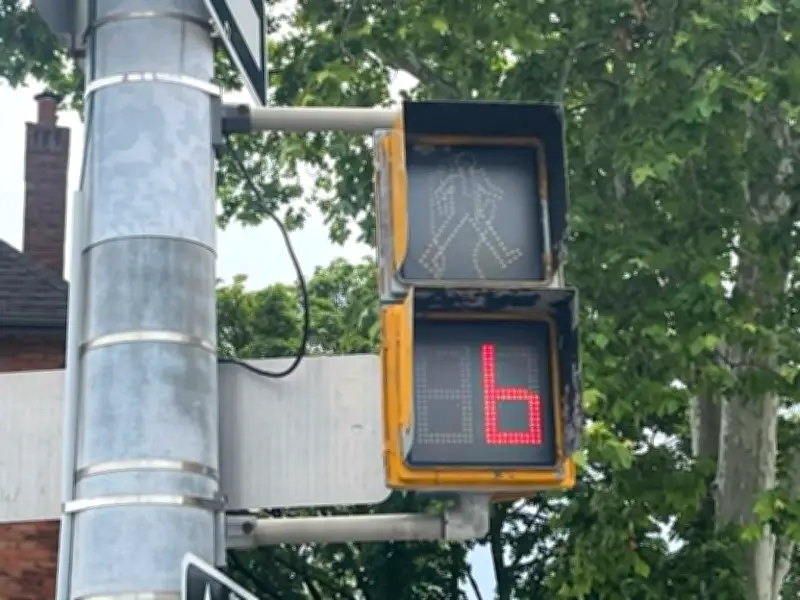
Pedestrian countdown timers display the number of seconds remaining before the traffic signal changes, giving pedestrians a clear indication of whether they have enough time to cross safely. Studies cited in the report show that countdown timers can reduce pedestrian-vehicle collisions by up to 25% by improving decision-making and reducing last-minute dashes across the street.
"Countdown timers are a proven safety measure that help pedestrians, especially seniors and children, make informed crossing decisions," said the report's author, city traffic engineer Mark Williams. "The investment is significant, but the potential to save lives and prevent injuries makes it a priority."
Council Debate Ahead
Council will debate the report at its next meeting on July 10. Some councillors have expressed support for the expansion, citing increased pedestrian traffic during events like the FIFA World Cup, which Windsor is hosting several matches for. Others have raised concerns about the cost and the need to prioritize other infrastructure projects.
Ward 3 Councillor Rino Bortolin said, "We need to balance safety improvements with fiscal responsibility. I want to see if there are cheaper alternatives or phased approaches before committing $22 million."
If approved, the installation would be rolled out over five years, starting with high-traffic intersections near schools, hospitals, and downtown areas.