The receiver for the Eagle Gold mine in Yukon has filed a lawsuit against Vancouver-based Ausenco Engineering Canada, alleging negligence in the design and construction of the tailings dam that collapsed in 2024. The collapse released millions of cubic metres of cyanide-laced mine waste into surrounding waterways, causing one of the worst environmental disasters in Yukon history.
Receiver seeks damages for negligence
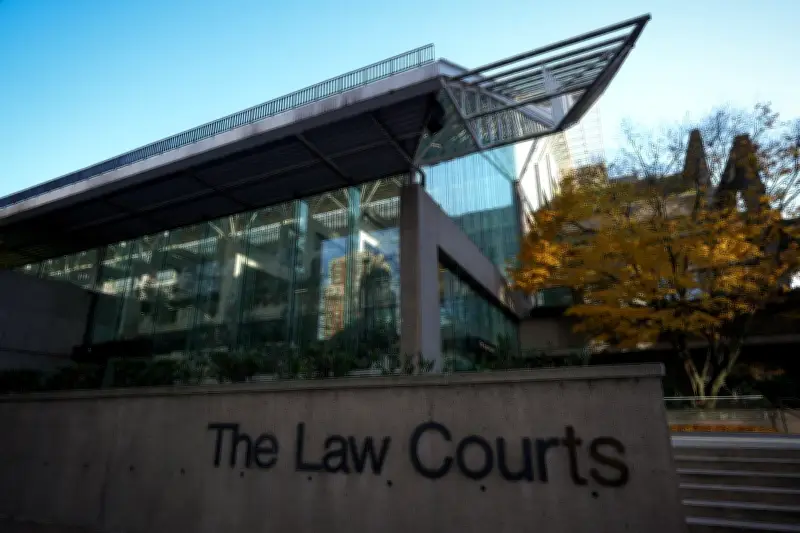
The statement of claim, filed June 23 in B.C. Supreme Court, alleges that Ausenco failed to meet industry standards in the design and oversight of the tailings storage facility. The receiver, appointed by the Yukon Supreme Court in 2025, claims the collapse was preventable and that Ausenco's negligence led to billions of dollars in cleanup costs and lost assets.
Ausenco Engineering Canada, a subsidiary of Australia-based Ausenco Ltd., had been contracted by the mine's owner, Victoria Gold Corp., to provide engineering services for the heap leach facility and tailings dam. The receiver's lawsuit seeks unspecified damages, including the cost of remediation, loss of mine value, and legal fees.

2024 collapse caused massive contamination
The tailings dam at the Eagle Gold mine failed on June 24, 2024, releasing an estimated 4.5 million cubic metres of tailings into the nearby Dublin Gulch and eventually into the Stewart River. The spill contaminated water sources with cyanide, mercury, and other toxic chemicals, killing fish and threatening drinking water supplies for downstream communities.
According to a report by the Yukon government's mine inspector, the dam's design had insufficient capacity to handle extreme weather events, and monitoring systems were inadequate. The report also noted that Ausenco had signed off on the dam's design in 2021, despite known deficiencies.
Allegations of design flaws
The receiver's claim states that Ausenco "failed to exercise the degree of care and skill expected of a reasonably competent engineering firm" in designing the tailings dam. It alleges that the company did not properly account for seismic risks, water management, or the long-term stability of the dam.
"The collapse was a direct result of Ausenco's failure to apply sound engineering principles," the claim reads. "The company's design was fundamentally flawed and led to catastrophic failure."
Ausenco has not yet filed a statement of defence. The company released a statement saying it "takes these allegations seriously" and will "vigorously defend" itself in court.
Environmental and economic impact
The spill devastated the local ecosystem, with fish populations in the Stewart River dropping by an estimated 80% in the year following the collapse. Cleanup efforts have cost over $500 million so far, with the full cost expected to exceed $1 billion. The mine, which was Yukon's largest gold producer, has been shut down since the disaster, resulting in the loss of over 500 jobs.
The Yukon government has also launched its own investigation into the collapse, and the RCMP is conducting a criminal probe into possible violations of the Fisheries Act and the Canadian Environmental Protection Act.
Legal precedents and industry scrutiny
This lawsuit is one of several filed in the wake of the Eagle Gold mine disaster. Shareholders of Victoria Gold Corp. have launched a class-action suit, and the First Nation of Na-Cho Nyak Dun, whose traditional territory includes the mine site, has filed a claim for damages.
The case is expected to set a precedent for holding engineering firms accountable for tailings dam failures in Canada. "This sends a clear message that companies involved in designing and building these facilities must be held to the highest standards," said environmental lawyer Sarah Thompson, who is not involved in the case. "The consequences of negligence are too severe to ignore."
The trial is not expected to begin until 2028 at the earliest, given the complexity of the evidence and the number of parties involved.