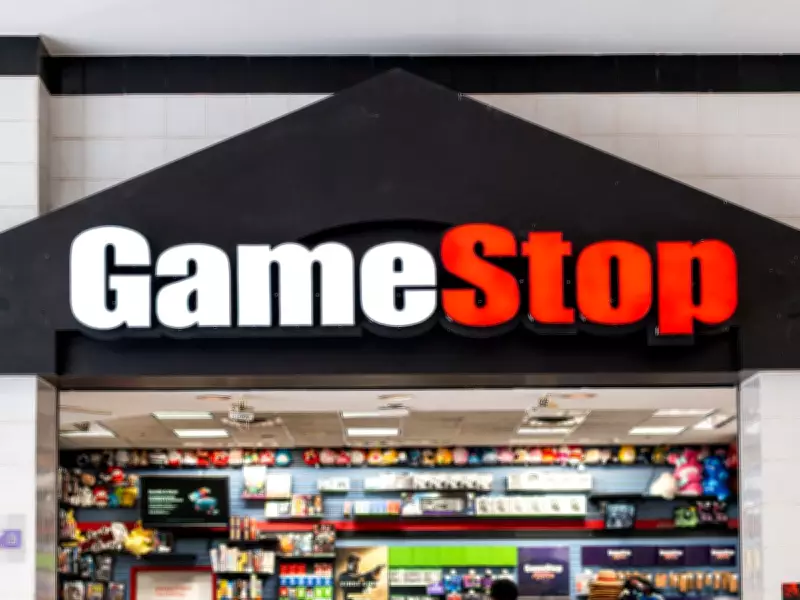
GameStop Corp.'s audacious US$56 billion bid for eBay Inc. is relying on a tactic made famous by the corporate raiders of the 1980s to help prove it has the means to carry out the deal — if not the cash in hand.
GameStop's Ambitious Takeover Plan
The gaming retailer led by Canadian billionaire Ryan Cohen said it obtained a “highly confident letter” from Toronto-based TD Bank to provide about US$20 billion in debt financing for the takeover. The move is meant to provide loose assurance that GameStop’s proposal has backing, though the letter isn’t legally binding.
Such letters were popularized in the days of Michael Milken’s Drexel Burnham Lambert, when acquirers including Carl Icahn would lean on the former junk-bond king’s firm to support their hostile bids — often requiring large sums of debt.

Reviving a Controversial Strategy
Cohen is reviving the manoeuvre as he targets a company four times GameStop’s size, offering US$125 per share in cash and stock, about a 20 per cent premium to eBay’s stock as of Friday’s close. Unlike a committed financing — when banks underwrite an acquisition on their balance sheets — a highly confident letter provides no such firm backing, and can indicate that a deal is less likely to materialize.
“You’re expanding the art of the possible,” said Matthew Steinaway, chief investment officer of the global fixed-income solutions group at State Street.
Financial Implications for GameStop and TD
For GameStop, TD’s letter allows it to line up financing without having to shell out costly commitment fees. And for the Canadian lender, the letter means it doesn’t have to risk its balance sheet should markets seize up and the bankers fail to sell the debt to investors in the bond and loan markets: It only becomes a committed financing if a deal is signed. Any deal would mark a deepening of ties between GameStop and TD, which last year was sole lead underwriter of US$2.7 billion of convertible securities issued by the company.
EBay's Response and Market Skepticism
EBay issued a statement Monday saying the online marketplace would review the offer “with a focus on the value to be delivered” to its shareholders, including the value of the GameStop stock and the buyer’s ability to deliver a binding, actionable proposal. Cohen’s company pledged to find some US$2 billion of annual savings within 12 months of closing.
Already, the offer is meeting with some skepticism, with analysts at CreditSights saying in a report on Monday that GameStop’s bid would be challenging given eBay’s much larger size. While eBay’s shares jumped on the news, they are still substantially below the value of the offer, signalling that investors see hurdles to a deal getting done.
Historical Context and Potential Impact
Should a transaction come together, it would represent one of the largest-ever debt financings for a junk-rated company, matching the US$20 billion raised for the record buyout of video-game maker Electronic Arts Inc. earlier this year. It could also possibly dump eBay into junk territory.
Representatives for TD and GameStop didn’t immediately respond to requests for comment.