In a significant move amid ongoing economic turmoil, Iran has appointed a new governor for its central bank. The decision comes on the heels of a record fall in the national currency's value and widespread public demonstrations that have swept through the capital and other cities.
A Response to Economic Pressure
The appointment, confirmed on December 31, 2025, represents a direct response by the Iranian government to mounting financial instability. The Iranian rial has experienced a dramatic and unprecedented decline in recent months, severely impacting the cost of living for ordinary citizens and fueling public discontent.
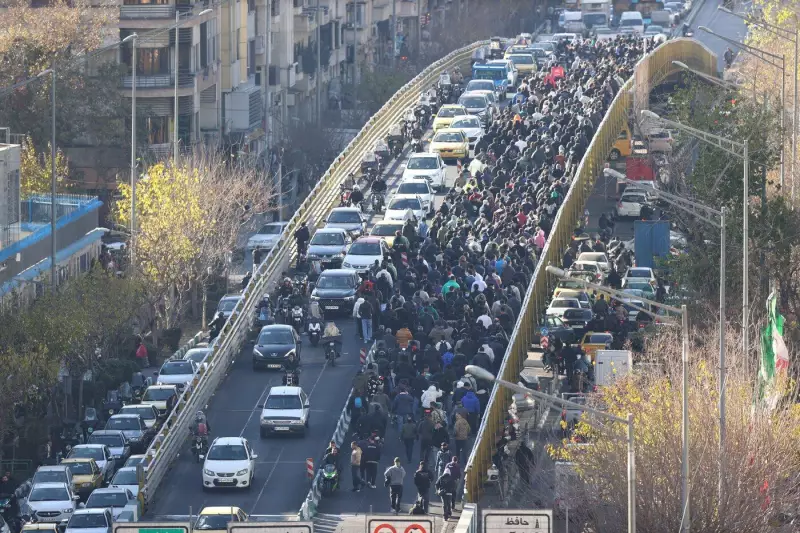
Protests erupted in Tehran, with demonstrators taking to the streets in the city center as recently as Monday, December 29, 2025. Images from the scene, distributed by the Fars news agency, showed significant crowds voicing their frustrations over the deteriorating economic conditions.

Leadership Change at a Critical Juncture
The new central bank chief faces an immediate and daunting challenge: stabilizing the national currency and restoring confidence in Iran's financial system. The role of the Central Bank of Iran is pivotal in managing monetary policy, controlling inflation, and overseeing the country's banking sector, all of which are under extreme stress.
This leadership change is seen by many analysts as an attempt to quell the protests and address one of the core grievances driving people onto the streets. The government's move signals a recognition that the economic crisis requires a new strategy at the highest levels of financial governance.
Broader Implications and Context
The currency crisis and subsequent unrest occur within a complex geopolitical landscape. Notably, the news of Iran's internal appointment was reported alongside international developments, including Iran's recent designation of Canada's navy as a terrorist organization. This was characterized as a retaliatory measure following a similar move by the Canadian government, highlighting the interconnected nature of foreign policy and domestic economic stability.
The situation in Iran underscores how rapid currency devaluation can act as a catalyst for social unrest, testing the resilience of state institutions. The effectiveness of the new central bank governor's policies will be closely watched both within Iran and by global financial observers, as the country navigates this period of significant economic and political pressure.