European Leaders Scramble After US-Israel Strikes on Iran Spark Global Escalation Fears
In a swift response to escalating tensions, European leaders convened emergency security meetings and mobilized to safeguard their citizens in the Middle East following U.S. and Israeli strikes on Iran on Saturday. The attacks have ignited widespread global apprehension about the potential for a broader regional conflict, prompting urgent diplomatic and protective measures across the continent.
Emergency Diplomatic Moves and Evacuations
French President Emmanuel Macron has called for an emergency United Nations Security Council meeting in direct response to the strikes, underscoring the gravity of the situation. Simultaneously, Germany and the United Kingdom are conducting their own emergency sessions to assess the unfolding crisis and formulate coordinated strategies. The European Union has initiated the evacuation of some staff from the region, with leaders planning further collaborative responses to mitigate risks and ensure stability.
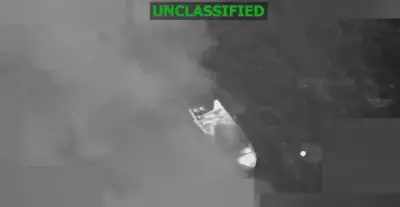
These actions come in the wake of a major offensive by the United States and Israel targeting multiple sites across Iran. U.S. President Donald Trump's provocative appeal to the Iranian people to "take over your government" has added a layer of complexity, suggesting a potential aim to destabilize Iran's theocratic regime after years of simmering tensions.

Dilemma for Democratic Allies
The strikes present a significant quandary for U.S. democratic allies in Europe. While European nations staunchly oppose Iran's nuclear ambitions and the hard-line policies of its theocracy, they are hesitant to endorse unilateral military actions by Trump that may violate international law and risk triggering a wider war. This dilemma echoes past challenges, such as Trump's previous strikes on Iran in June and the arrest of Venezuela's Nicolas Maduro last month, which similarly strained alliances.
It remains unclear whether U.S. allies received advance warning of the attacks. The German government reported being notified only on Saturday morning, while France's junior defense minister indicated awareness of impending action but lacked specifics on timing.
Global Calls for Restraint and Diplomacy
President Macron emphasized the dangers of escalation, stating, "The escalation underway is dangerous for everyone. It must stop." He announced that France, which maintains military presences in the United Arab Emirates, Qatar, and Jordan, would provide military aid to its Middle Eastern partners. Macron also urged Iran's leadership to engage in negotiations on its nuclear and ballistic programs, advocating for the Iranian people's right to freely shape their future and condemning the regime's actions.
British Prime Minister Keir Starmer chaired an emergency committee meeting, with a government spokesperson reiterating the U.K.'s desire to avoid further escalation and support a negotiated resolution to Iran's nuclear issues, while clarifying that Britain was not involved in the strikes. Germany's crisis management team also convened to address the situation.
Warnings of a "New, Extensive" War
European Union foreign policy chief Kaja Kallas described the Middle East conflict as "perilous" and highlighted efforts to pursue peace through diplomacy with Israeli and Arab officials. She pointed to Iran's ballistic missile and nuclear programs, along with its support for terror groups, as serious threats to global security.
Norwegian Foreign Minister Espen Barth Eide expressed concern that failed U.S.-Iran negotiations could lead to a "new, extensive war in the Middle East." Spanish Prime Minister Pedro Sánchez rejected the unilateral military actions by the U.S. and Israel, calling them escalatory and detrimental to international order, while also condemning the Iranian regime's conduct.
In a joint statement, European Commission President Ursula von der Leyen and European Council President António Costa called for maximum restraint, protection of civilians, and full respect for international law, emphasizing diplomacy to ensure nuclear safety.

International Condemnation and Accusations
The International Campaign to Abolish Nuclear Weapons, a Nobel Peace Prize-winning organization, condemned the strikes as "totally irresponsible," warning of increased risks of nuclear proliferation and further escalation. Malaysian Prime Minister Anwar Ibrahim criticized the attacks, cautioning that the conflict has pushed the Middle East to the "edge of catastrophe."
Pakistan's Foreign Minister Ishaq Dar denounced what he termed "unwarranted attacks" on Iran during discussions with his Iranian counterpart. Russia's Foreign Ministry accused the U.S. and Israel of "a pre-planned and unprovoked act of armed aggression," demanding an immediate halt to military campaigns and a return to diplomatic channels, while alleging that regime change motives are being concealed behind nuclear concerns.
This report includes contributions from journalists across Europe and beyond, highlighting the global ramifications of the escalating tensions in the Middle East.