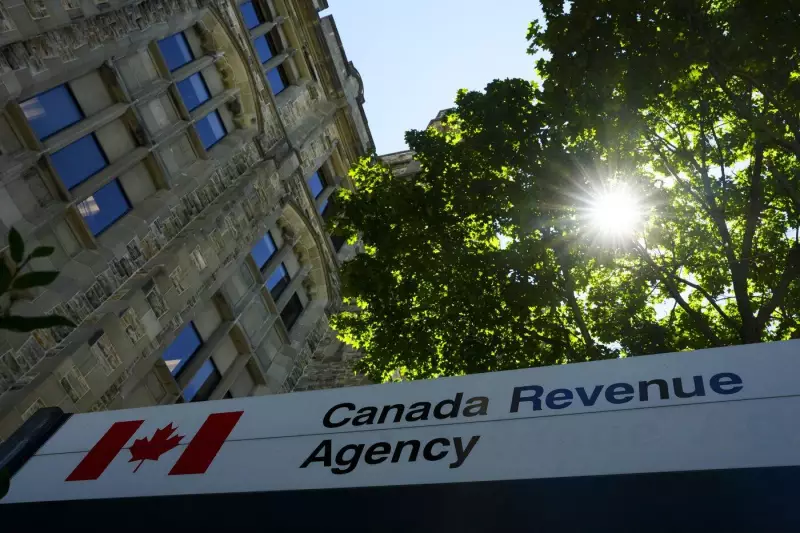
A New Brunswick man is publicly contesting a demand from the Canada Revenue Agency that he repay COVID-19 financial benefits he received during the pandemic. The case highlights ongoing disputes between Canadians and the federal tax authority over pandemic support eligibility.
The Core of the Dispute
The individual, whose identity has not been fully disclosed in initial reports, received a notice from the CRA stating he was ineligible for some or all of the benefits he obtained. The agency is seeking the return of funds, which often total thousands of dollars. This scenario has become familiar to many Canadians as the CRA continues its post-pandemic review and audit of benefit applications.
The Canada Revenue Agency began intensifying its collection efforts on allegedly ineligible claims in 2024, following the initial distribution of emergency funds like the Canada Emergency Response Benefit (CERB). The agency uses a combination of automated reviews and manual audits to verify applicant eligibility based on criteria like 2019 or 2020 pre-pandemic income and the reason for work stoppage.

Navigating the CRA Review Process
Individuals who receive a repayment letter have the right to request a review of the CRA's decision. The process typically involves submitting additional documentation to prove eligibility, such as pay stubs, bank statements, or records from an employer. If the initial review is unsuccessful, taxpayers can file a formal notice of objection to appeal the decision.
Experts advise recipients facing repayment requests not to ignore the correspondence. The CRA offers payment arrangements for those unable to pay the full amount immediately, and in some cases of genuine financial hardship, partial relief may be considered. However, interest accrues on overdue amounts.
A Widespread Post-Pandemic Challenge
This New Brunswick case is not isolated. Hundreds of thousands of Canadians have been asked to repay benefits, leading to significant financial strain and public criticism of the program's initially simplified application process. Advocates have argued that the vague eligibility guidelines and urgent need during the crisis led to honest confusion among applicants.
The federal government has faced pressure to forgive debts for low-income individuals or those who applied in good faith. However, officials maintain that verifying eligibility is necessary to protect the integrity of the tax system and ensure funds went to those who truly qualified under the law.
As the CRA continues its enforcement actions, cases like the one in New Brunswick underscore the prolonged financial aftermath of the pandemic for many households and the complex task of reconciling emergency aid with standard regulatory frameworks.