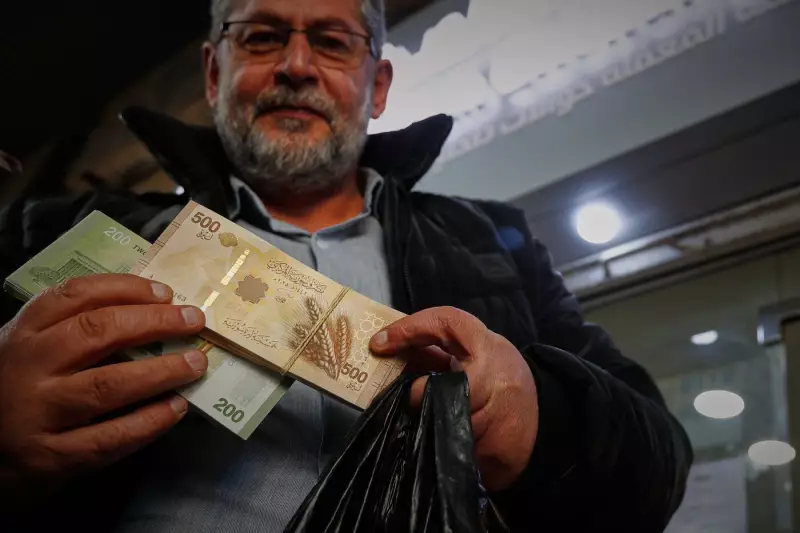
In a move signaling a profound economic transition, Syria has begun circulating new currency bills, marking a definitive step into a post-Assad financial era. The new notes entered public use on Saturday, January 3, 2026, as observed in the capital city of Damascus.
A Visual Symbol of Change in Damascus
The rollout was captured in images from the city center, where a man was photographed displaying the freshly minted 200 and 500-pound notes outside a currency exchange office. The visual documentation, provided by AP photographer Omar Sanadiki, offers a tangible glimpse into this historic monetary shift. The introduction of the new physical currency represents a concrete attempt to stabilize and redefine the nation's economy after a prolonged period of conflict and instability.
Context and Implications of the Monetary Overhaul
This currency reform is more than a simple update of banknotes; it is a cornerstone of broader economic restructuring efforts. Replacing the old Syrian pound, which suffered from severe devaluation and instability, the new bills are intended to restore public confidence in the national monetary system. The change is a clear attempt by the governing authorities to draw a line under the previous economic era and establish a new foundation for trade and finance. While the immediate public reaction in Damascus appeared focused on practical exchange, the long-term success of this policy hinges on broader international recognition and internal economic management.

Navigating a Complex Economic Future
The launch of the post-Assad currency is a critical test for Syria's evolving governance. Key challenges ahead include:
- Controlling inflation and preventing the rapid devaluation of the new notes.
- Securing international financial channels to support the currency's legitimacy.
- Ensuring a smooth transition for citizens and businesses away from the old monetary system.
This monetary pivot occurs as Syria continues to navigate a complex path of reconstruction and geopolitical realignment. The effectiveness of this currency reform will be a major indicator of the country's economic stability and recovery prospects in the years following 2026.